This post contains paid and/or affiliate links. I make a small commission at no extra cost to you. Please see our Privacy Policy.
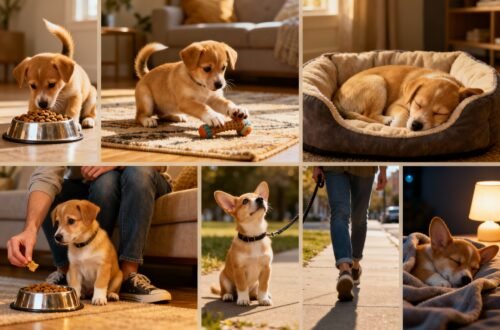
Your new puppy has crash-landed into your life like an adorable ball of chaos. You’re excited, a little overwhelmed, and probably Googling answers at 3 a.m. between chew-toy disasters. The good news? You’ve got this—and these top new puppy tips will help every step of the way.
Table of Contents
Let’s turn that lovable tornado into a happy, well-mannered sidekick without losing your shoes, sanity, or snacks.
Start with a Simple Game Plan
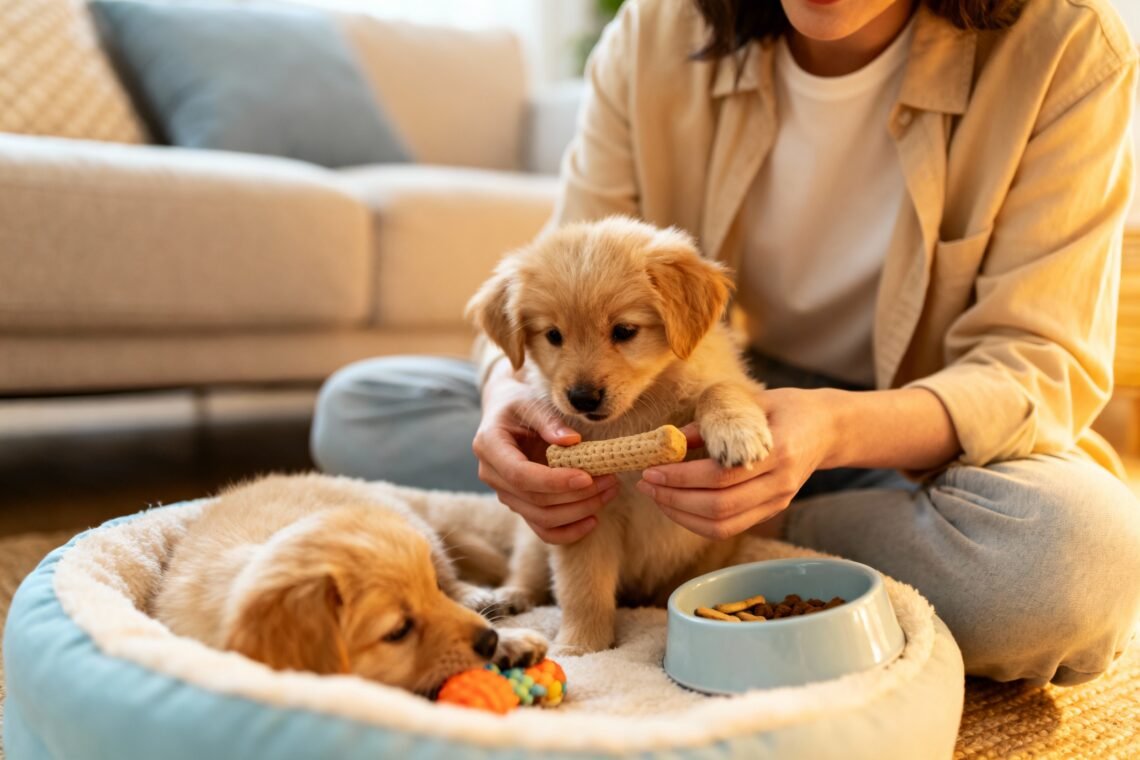
You don’t need a 50-page manual. You need a plan you’ll actually follow. Set three priorities for the first month and stick to them.
- House training — decide on a potty spot and a schedule.
- Crate training — create a safe, cozy den.
- Socialization — expose your pup to normal life in bite-size pieces.
Why three?
Because puppies have the attention span of a goldfish on espresso, and honestly, so do we when sleep-deprived. Keep it simple, stay consistent, and you’ll see wins fast.
House Training Without Tears (Yours or Theirs)
Puppies don’t come knowing your rug isn’t a toilet. Shocking, I know.
You’ll teach it with timing, supervision, and rewards.
- Take your puppy out constantly: first thing in the morning, after naps, after play, after meals, and every 2–3 hours.
- Go to the same spot so the scent triggers the behavior.
- Reward like they just solved world peace the moment they finish — treats and praise outside.
- Supervise or confine indoors. If you can’t watch, crate or use a playpen.
Accidents Happen — Here’s the Fix
When you catch them mid-pee inside, interrupt with a calm “outside,” then guide them out. No yelling.
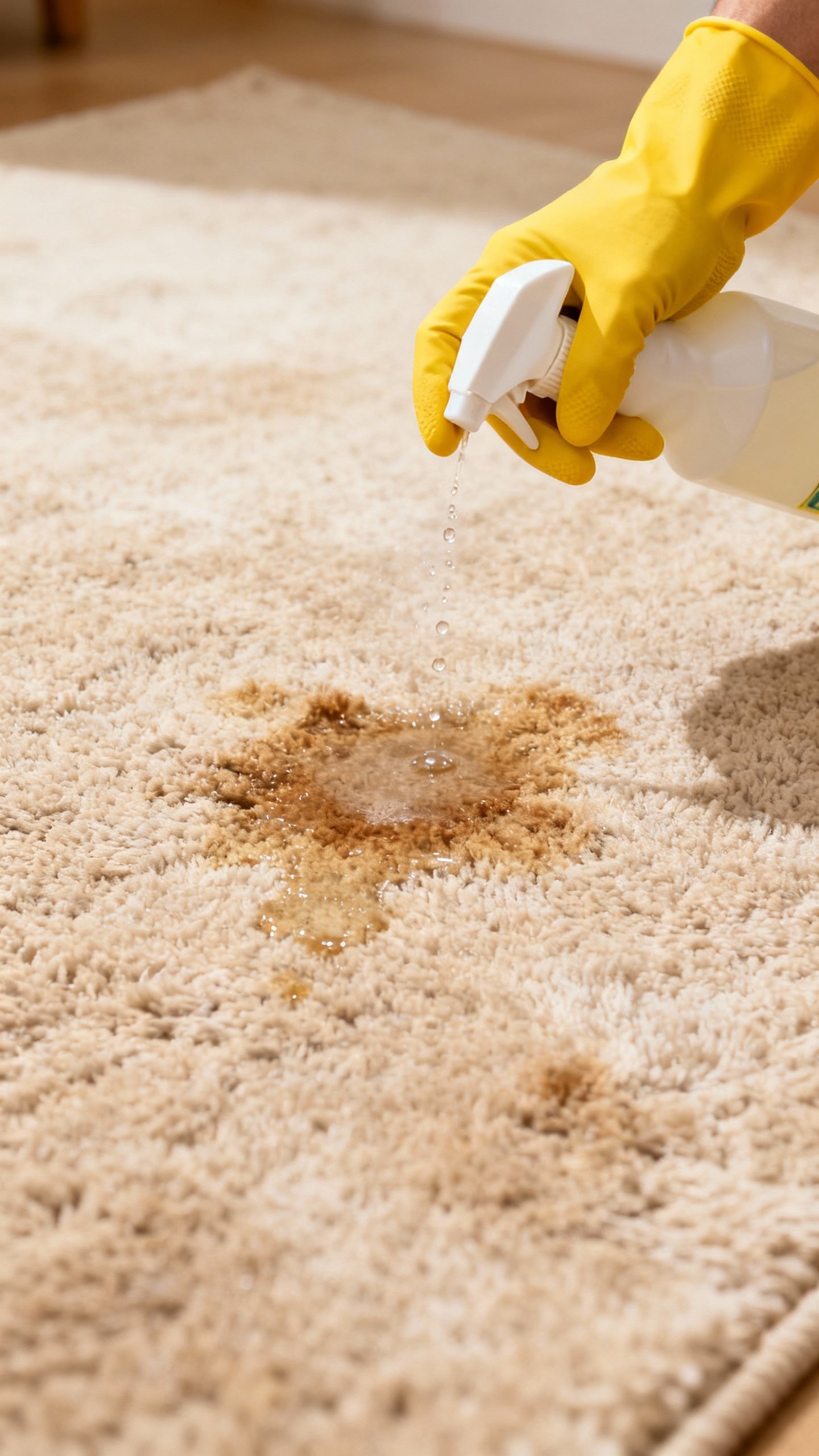
No rubbing noses. That’s old-school nonsense. Clean with an enzymatic cleaner so the smell doesn’t invite a repeat performance.
Crate Training: Not Jail, a Bedroom
Think of the crate like a toddler’s nursery.
It keeps your puppy safe and teaches them to relax. You’ll love it for naps, bedtime, and when you need to make a sandwich without losing a couch cushion.
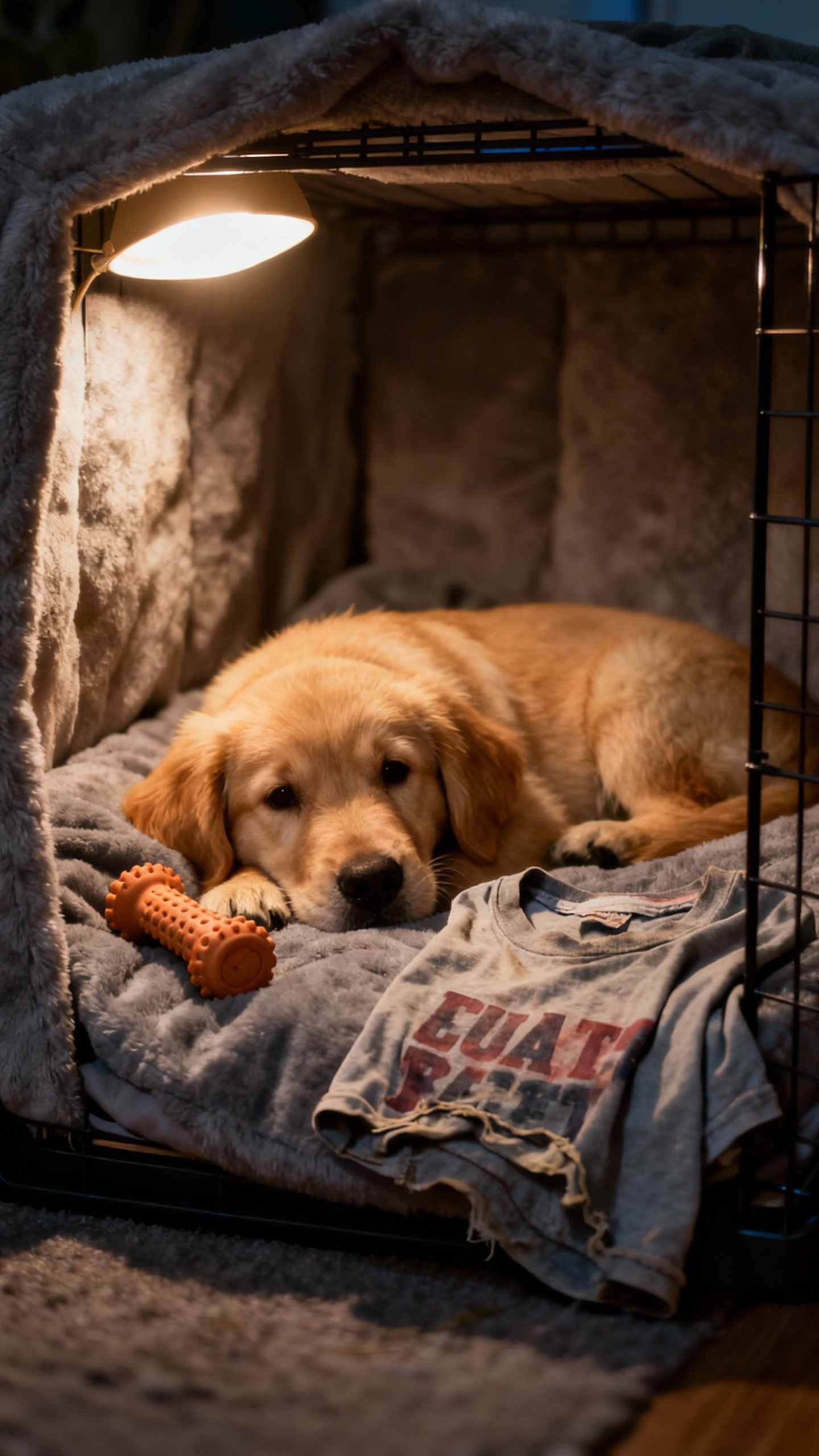
- Size matters: big enough to stand, turn, and lie down — not a ballroom.
- Make it cozy: soft bedding, a safe chew, maybe a worn T-shirt that smells like you.
- Feed meals in the crate so it feels like a happy place, not punishment.
- Short sessions at first: 5–10 minutes, then build up. Release before whining escalates.
Nighttime Routine
Take them out, crate them, lights out.
If they fuss a bit, wait. If you hear true “I gotta go” whining, take a quick potty break — no play, no party — then back to bed. You’re teaching them: nighttime is for sleeping, not karaoke.
Socialization: The Secret Sauce, New Puppy Tips
You want a confident, friendly adult dog?
You start now, between 8 and 16 weeks. Socialization means positive exposure to people, places, and sounds — not chaos or overwhelm.
- People variety: hats, beards, kids, wheelchairs — with treats and space.
- Surfaces and sounds: wood floors, elevators, traffic, vacuums, thunder recordings.
- Handling: touch paws, ears, tail, gently; feed treats while you do.
But What About Vaccines?
You can balance safety and socialization. Avoid dog parks and unknown dogs.
Do puppy classes that require vaccines, and host playdates with healthy, friendly dogs. Carry them in busy areas if needed. FYI, being cautious doesn’t mean living in a bubble.


Bitey Teeth, Chewy Mouth: Manage the Chomp
Puppies explore with their mouths.
It’s normal. It’s also… sharp. Your job: teach where those teeth belong.
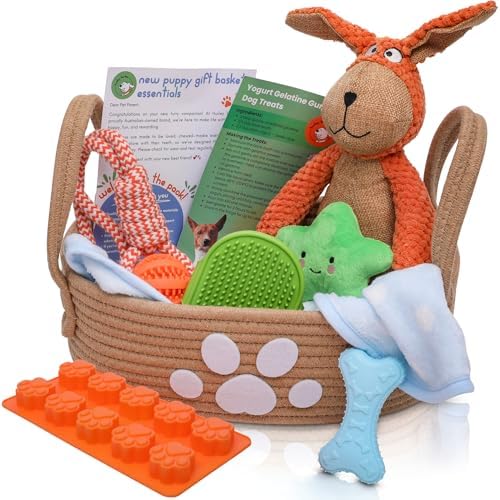
- Offer legal chews: rubber toys, frozen Kongs, braided bully sticks (supervise).
- Redirect: when they nip skin, swap in a toy.
Praise when they chew the right thing.
- Stop the game if biting escalates. Quiet pause = “that didn’t work.”
- Puppy-proof: shoes, cords, kids’ toys — out of reach or you’ll learn the hard way.
Teething Relief
Freeze damp washcloth knots or smear a bit of xylitol-free peanut butter in a toy and freeze it. Cold helps.
Also, exercise + training = a tired mouth. IMO, mental work beats endless fetch.
Training Basics You’ll Actually Use
You don’t need circus tricks. You need communication that works in real life.
Keep sessions short (2–5 minutes), use tiny treats, and end on a win.
- Name game: say their name, mark eye contact, treat. Build attention first.
- Sit and down: lure with food, pay the position, not the drama.
- Come when called: start indoors, reward like crazy, then add light distractions.
- Leave it: treat in closed hand; when puppy backs off, mark and reward from the other hand.
- Loose-leash walking: reward at your side every few steps; change direction before pulling becomes a hobby.
Use a Marker Word or Clicker
Say “Yes!” or click the moment they do the thing. Then deliver the treat.
The marker bridges timing so your puppy connects behavior → reward. Clean and fast.
Food, Health, and the “What Is That?” Phase
Puppies eat like athletes and nap like poets. Get the basics right and you’ll dodge a lot of issues.
- Choose a high-quality puppy food that fits your dog’s size and breed.
Large-breed pups need controlled calcium for healthy joints.
- Feed 3–4 small meals daily at first. Regular meals = regular potty schedule.
- Water access always, except 1–2 hours before bedtime while house training.
- Vet visit ASAP for vaccines, deworming, flea/tick prevention, and microchip talk.
Safe vs. Nope
- Safe treats: plain cooked chicken, training treats, xylitol-free peanut butter (tiny amounts).
- Hard no: grapes/raisins, chocolate, xylitol, onions/garlic, cooked bones, alcohol, cannabis, most human meds.
- Chew toy rule: if your fingernail can’t dent it, it’s probably too hard for puppy teeth.
Routine: The Boring Magic
Routine sounds dull.
It’s actually your cheat code. Puppies thrive when life feels predictable.
- Sleep: 16–20 hours a day. Respect naps or you’ll get a gremlin.
- Schedule: wake → potty → short play → breakfast → potty → nap.
Repeat cycles.
- Exercise: lots of sniff walks and brain games. Avoid forced runs or stairs for young joints.
- Alone time practice: short, frequent absences so they learn chill independence.
Enrichment Ideas
Scatter feed in the yard. Use snuffle mats.
Rotate 3–4 toys daily. Teach easy tricks. Problem-solving tires the brain, and a tired puppy makes excellent life choices.
Usually.
Common Mistakes to Skip (Learn From Ours)
We’ve all blown it. Here’s the highlight reel so you don’t have to.
- Waiting on socialization — early, positive exposure beats fear later.
- Too much freedom too soon — earn room access with good choices.
- Inconsistent rules — couch sometimes = couch forever. Decide as a family.
- Under-exercising the brain — sniffing and training calm more than a wild fetch marathon.
- Ignoring red flags — pain, lethargy, diarrhea, or persistent fear need a vet or trainer.
FAQ
How long does house training usually take?
Most puppies get the hang of it within 2–4 weeks with a tight schedule, but full bladder control can take a few months.
Young pups can usually hold it one hour per month of age, up to about eight hours. Set them up to win with frequent outdoor trips and huge praise for success.
What’s the best way to stop puppy biting?
Give them legal outlets. Redirect to toys the second teeth touch skin.
If they persist, end the play moment for 10–20 seconds, then try again. Reinforce gentle behavior like it’s your job, because it is. Consistency beats lectures.
When should I start training classes?
As soon as your vet gives the green light, often after the first round of vaccines.
Good puppy classes require proof of vaccination and focus on socialization plus basic skills. IMO, a great class prevents 90% of future headaches.
Should I use pee pads?
Only if you live in a high-rise or can’t get outside easily. Pads can confuse pups about indoor vs. outdoor potty rules. If you use them, place them near the door and gradually move them outside to transition.
How much exercise does my puppy need?
Think short, frequent bursts and lots of sniffing. A loose guideline: 5 minutes of structured exercise per month of age, twice daily, plus play and training.
Skip long runs and jumping sports until growth plates close.
What gear do I actually need?
Keep it simple: a flat collar with ID, a harness for walks, a sturdy leash (no retractables at first), a crate, a playpen, food and water bowls, 4–6 safe chew toys, poop bags, and an enzymatic cleaner.
Everything else feels fun, but this list does the heavy lifting.
Conclusion
Raising a puppy feels like juggling knives while smiling for Instagram. But with a simple plan, smart socialization, and a rock-solid routine, you’ll turn chaos into something pretty magical. Celebrate small wins, laugh at the fails, and keep showing up.
FYI, you’re not just training a puppy — you’re building your future favorite story.
This post contains paid and/or affiliate links. I make a small commission at no extra cost to you. Please see our Privacy Policy.