This post contains paid and/or affiliate links. I make a small commission at no extra cost to you. Please see our Privacy Policy.
You brought home a furry potato who thinks your rug is a bathroom. Cute. Also chaotic. The good news? You can potty train a puppy fast if you stick to a clear plan and dodge a few classic mistakes. No magic.
Table of Contents
Just timing, consistency, and rewards. Ready to get your floors back?

Know Your Puppy’s Bathroom Clock : Potty Train A Puppy
Puppies run on a predictable schedule. Use it.
Most pups need to go right after waking up, after eating, after playing, and every 1–2 hours depending on age. General rule: a puppy can usually hold it for their age in months plus one hour (so a 3-month-old = 4 hours, max). That’s the upper limit, not your daily target.
- First thing in the morning: pick them up and take them out immediately.
- Every meal: out within 5–10 minutes after they finish.
- After play or zoomies: out they go.
- Before bed: one last trip so you both sleep.
Choose One Potty Spot
Pick a consistent outdoor area. The smell cues your puppy to go.
Stand quietly, no chatting or playing, and wait. If they go, throw a party. If they don’t within 5 minutes, bring them inside and try again in 10–15.
The Fast-Track Routine (AKA: The System That Works)
Structure beats willpower.
Create a simple loop your puppy can learn fast.
- Crate or confine when you can’t supervise. The right-sized crate helps them hold it and avoids sneaky indoor accidents.
- Take them to the potty spot on leash. Use a simple cue like “Go potty.”
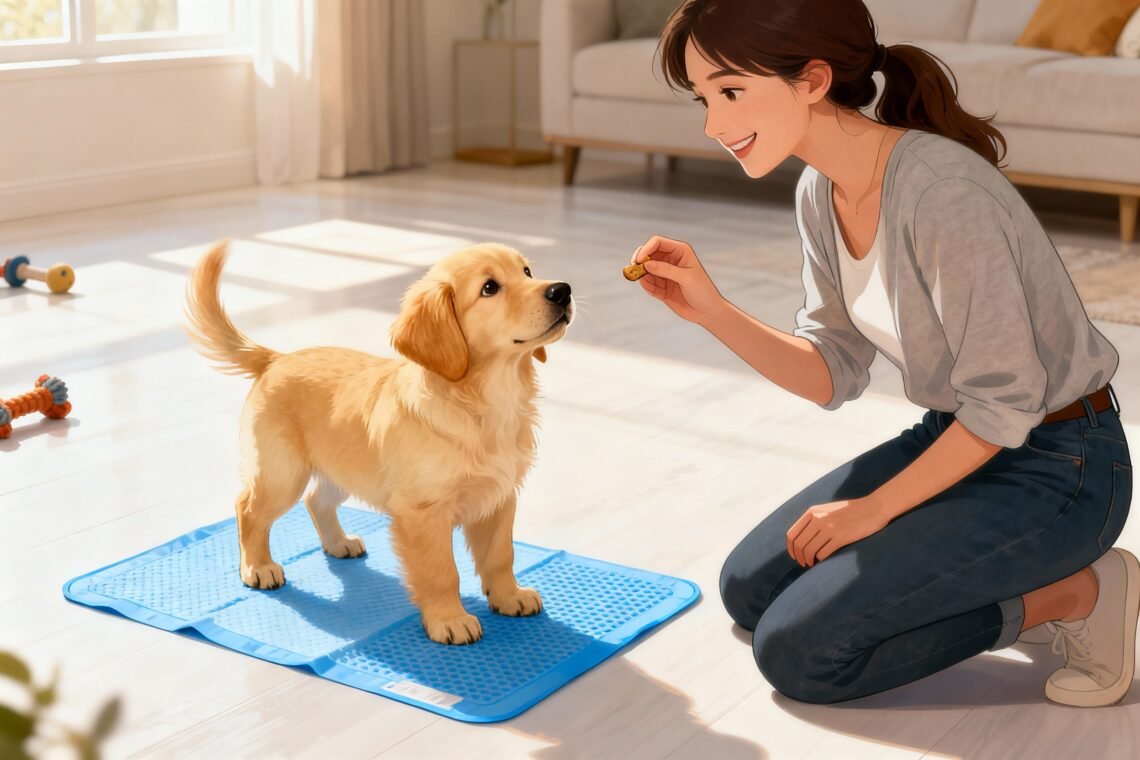
- Reward immediately with treats and praise the second they finish.
Timing matters more than the size of the treat.
- Free time inside for 15–30 minutes after a successful potty trip while you supervise.
- Back to crate or calm playpen if you can’t watch them. Repeat.
FYI: Playtime outside happens only after they go potty. Otherwise, they learn to hold it because they think potty ends the fun.
Flip that script.
What Counts as Supervision?
You watch the puppy like a hawk. Leash them to your belt, use baby gates, or keep them in one room. If you can’t keep eyes on them, they’re not supervised.
IMO, “I was on my phone for 2 minutes” equals “I gave my puppy permission to pee on the rug.”

Rewards That Actually Work
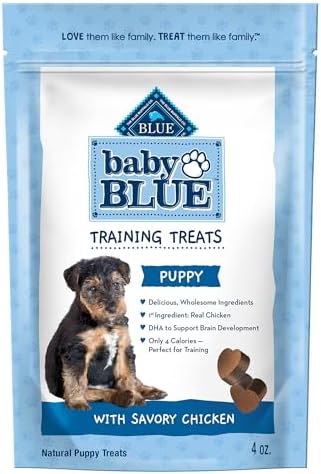
Your puppy won’t hustle for a pat on the head. Use high-value treats (tiny, soft, irresistible). Keep them in your pocket or by the door so you reward within 2 seconds of success.
- Jackpot big wins when they pee and poop outside on schedule.
- Pair praise with treats so your voice becomes a reward too.
- Don’t bribe by showing the treat first.
Reward after the deed.
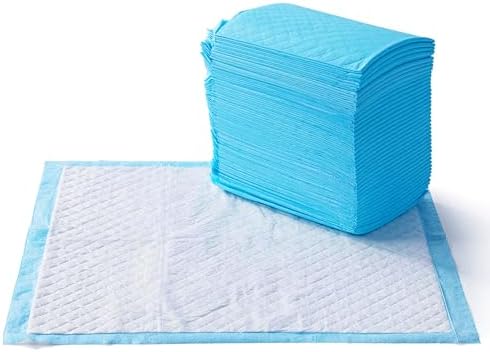
- INCLUDES: 50 Regular-size heavy-duty-absorbency puppy pee pads; ideal for puppy training, senior dogs, car trips, and mo…
- 5-LAYER PROTECTION: Multi-layer construction with quick-dry surface and absorbent core that turns liquid into gel on con…
- LEAKPROOF: Plastic lining keeps floors safe from damage; plastic border on all 4 sides to prevent overflow
Build a Routine Cue
Say the same potty cue each time. Calm, neutral tone. When they finish, add a release word like “All done!” Then click into fun mode.
This separates business from play.
Mistakes That Slow Everything Down
Want to cut potty training time in half? Avoid these greatest hits.
- Waiting too long between potty breaks. Accidents aren’t stubbornness; they’re biology.
- Free-roaming the house too soon. Big spaces = secret bathrooms.
- Scolding or rubbing their nose in it. That teaches fear, not location. Also, it’s just mean.
- Using ammonia cleaners. They smell like pee.
Use an enzymatic cleaner to erase scent.
- Letting them pee on pee pads if your goal is outdoor-only. Mixed messages slow progress. Pick one plan.
- Not rewarding fast enough. If you wait till you’re back inside, your puppy thinks they got paid for coming indoors.
When Your Puppy “Forgets”
They didn’t forget. They got distracted or you missed their signal.
Tighten the schedule, supervise better, and up the rewards. Training is communication, not mind reading.
Crate and Confinement: Your Secret Weapons
Crates aren’t jail; they’re bedrooms. Use them right and your puppy will nap happily and hold it longer. Size it right: Your puppy should stand up, turn around, and lie down comfortably—no extra wing for a bathroom.
- Introduce slowly. Feed meals near/in the crate and toss treats inside.
- Short naps, regular breaks. Don’t expect a 10-week-old to hold it all afternoon.
- Use a playpen with a bed, water, and safe chews when you need more space but still want control.
Nighttime Strategy
Set an alarm for one scheduled potty break for very young pups (8–12 weeks).
Take them out calmly, no chatter, no play. Back to bed. Most puppies sleep longer by 12–14 weeks.
Reading the Signals (Because They Do Tell You)
Your puppy might not speak English, but they broadcast bathroom urges. Watch for:
- Circling or intense sniffing
- Sudden zoom-out from play to the corner
- Heading to the door or where they’ve had accidents before
- Whining or restless pacing in the crate
When you see it, act fast.
Scoop them up and go. Don’t pause to put on cute shoes. This is sprint time.
Accidents Happen—Handle Them Like a Pro
You’ll miss one.
Or three. No meltdown needed.
- Interrupt calmly if you catch them mid-stream. Clap once, say “Outside,” and move quickly.
- Finish outside and reward if they do.
That still counts.
- Clean immediately with an enzymatic cleaner. Scent lures repeat offenses.
- Review your schedule and add one more potty break for the time of day it happened.
IMO: The “one accident = back to square one” mindset just stresses you out. Adjust the plan and move on.
How Fast Is “Fast”?
With a solid routine and zero mixed messages, many puppies get 80–90% reliable in 2–3 weeks.
Full reliability takes a few months, especially for tiny breeds with tiny tanks. Keys to speed:
- Same door, same spot, same cue
- Immediate rewards every time
- Supervision and smart confinement
- Consistent feeding schedule (no grazing)
Feeding and Water Timing
Feed at the same times daily. Pick up water 2 hours before bedtime if your vet says it’s fine and your puppy stays hydrated during the day. Consistency trains the bladder like clockwork.
FAQ
How often should my puppy go out during the day?
Young puppies need a break every 1–2 hours while awake, plus after waking, eating, and playing.
As they age, stretch to 2–3 hours. Use the age-in-months-plus-one rule as a maximum, not your everyday schedule.
What if my puppy keeps having accidents in the same spot?
Clean that area with an enzymatic cleaner, block access with a gate or furniture, and supervise more closely. Take them out 10–15 minutes earlier than usual for that time of day.
Break the scent cycle and the habit dies fast.
Should I use pee pads if I want an outdoor-trained dog?
If you can take them outside consistently, skip pads to avoid confusion. If you live in a high-rise or face extreme weather, you can start with a designated indoor surface and transition later—but expect a slower process.
Why won’t my puppy go potty outside when it’s raining?
They’re dramatic. Keep a covered potty spot if possible, bring a big reward, and go boring—no play until they go.
A cheap umbrella and a high-value treat turn rain protests into quick pit stops.
Do belly bands or diapers help?
They prevent messes but don’t teach location. Use them only as a temporary management tool with active training. Otherwise, you just hide the problem.
When do I know my puppy is fully potty trained?
When they go weeks without accidents, ask to go out reliably, and hold it during normal household routines.
Nighttime dryness usually comes earlier; daytime reliability takes longer due to excitement and distractions.
Conclusion
Potty training fast isn’t about yelling, magic sprays, or your puppy suddenly “getting it.” It’s repetition. You control the schedule, the space, and the rewards. Keep it simple, stay consistent, and celebrate the tiny wins.
Your floors will forgive you, and your puppy will learn faster than you think—especially if you ditch the common mistakes and stick to the plan.
This post contains paid and/or affiliate links. I make a small commission at no extra cost to you. Please see our Privacy Policy.


