This post contains paid and/or affiliate links. I make a small commission at no extra cost to you. Please see our Privacy Policy.
Your dog looks up at you with those big, pleading eyes as you eat. You cave and share a bite—harmless, right? Sometimes yes, sometimes absolutely not. The line between safe and dangerous human food for dogs isn’t always obvious, so let’s make it clear and save you a panicked vet visit.
Table of Contents
The Golden Rule: Keep It Simple and Dog-Safe
We love flavor bombs. Dogs don’t need them. When in doubt, give your dog plain, unseasoned, whole foods in small amounts.
Fancy sauces and spices? Hard pass. Remember: Dogs have different metabolisms. What fuels us can seriously harm them.
You can share, but share smart.
Human Foods That Are Generally Safe (In Small Amounts)
These foods usually get a thumbs-up when served plain and in moderation. Think snack-sized, not a full plate.

- Product Content: You will receive 1 piece of dog feeding chart, which clearly presents what dogs can eat and what they s…
- Material: Made from premium soft magnet and coated paper, the dog feeding sign is durable and not easy to break or fade….
- Size Details: The dog feeding chart measures 24.76×17.14cm/9.75×6.75in. Big size and bright colors make the chart notice…
- Lean meats: Chicken, turkey, lean beef, and salmon. Boneless, skinless, cooked, and unseasoned.
- Eggs: Cooked scrambled or boiled.
Great protein boost.
- Plain dairy: Small amounts of plain yogurt or cheese if your dog tolerates lactose. Watch for tummy trouble.
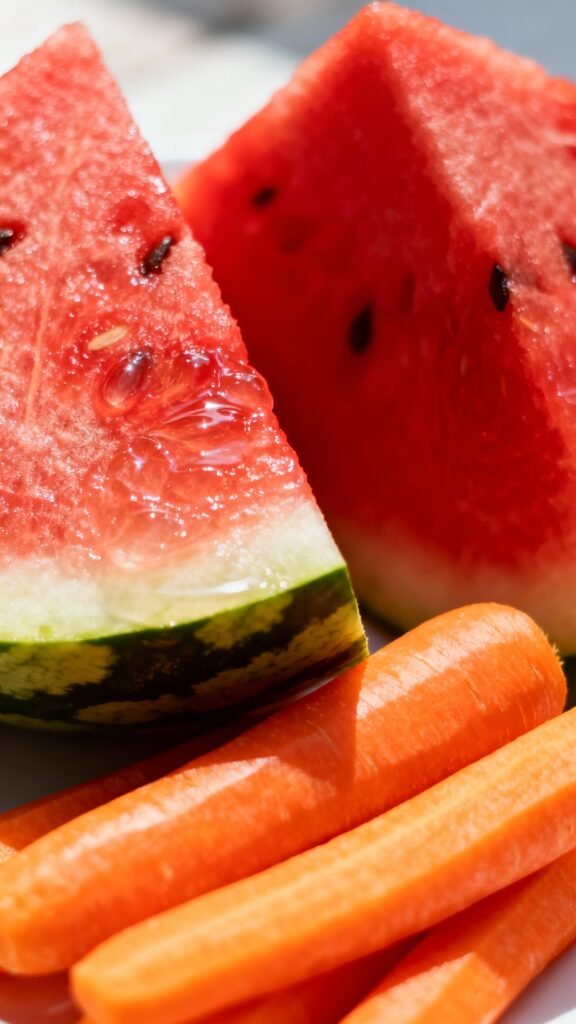
- Fruits: Blueberries, apples (no seeds), bananas, strawberries, watermelon (no seeds or rind). Sweet, hydrating, and antioxidant-rich.
- Veggies: Carrots, green beans, cucumbers, broccoli, peas, and pumpkin (plain).
Crunchy and low-cal.
- Carbs: White rice, quinoa, plain oatmeal, and plain pasta in small amounts—especially helpful for upset stomachs.
- Fats (sparingly): Peanut butter (xylitol-free only), olive oil, and canned pumpkin for fiber.
Portion Tips That Keep Things Chill
- For most snacks: aim for treats to be 10% or less of daily calories.
- Chop into bite-size pieces, especially for small dogs or fast gobblers.
- Introduce new foods slowly to avoid digestive drama.
Absolutely Not: Foods That Can Harm or Kill
Yep, that escalated quickly. Some human foods are straight-up toxic to dogs, even in tiny amounts. Don’t risk it.
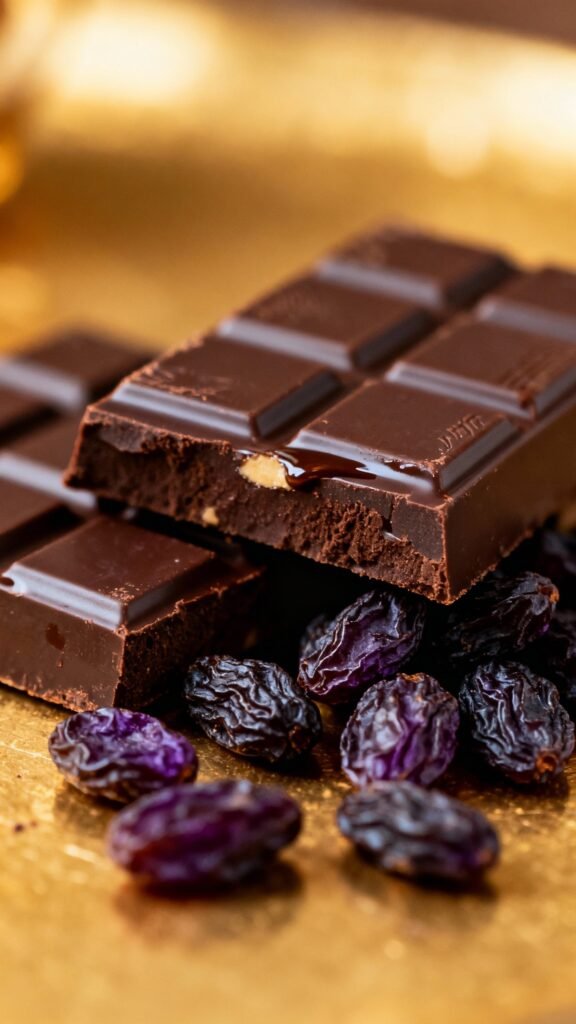
- Grapes and raisins: Can cause kidney failure.
No “just one.”
- Chocolate and cocoa: The darker, the deadlier. Causes heart and nervous system issues.
- Xylitol (birch sugar): Found in sugar-free gum, candies, some nut butters, protein bars, and baked goods. Can cause severe hypoglycemia and liver failure.
- Onions, garlic, leeks, chives: In any form (powder, cooked, raw) can damage red blood cells.
- Alcohol and unbaked yeast dough: Severe poisoning risk.
Dough can expand in the stomach—yikes.
- Macadamia nuts: Weakness, tremors, and fever even in small amounts.
- Caffeine: Coffee, tea, energy drinks—hard no. Causes hyperactivity, tremors, arrhythmias.
- Salt-heavy foods: Chips, cured meats—risk of sodium poisoning and dehydration.
“Probably Fine” Foods That Still Need Care
- Avocado: Flesh in tiny amounts is likely okay, but the pit and skin are dangerous. High fat = tummy upset.
- Bones: Cooked bones can splinter.
Stick with raw meaty bones only if you know what you’re doing, and supervise.
- High-fat foods: Bacon, sausage, buttery dishes can trigger pancreatitis. Not worth it.

- Quick-Reference Safety Chart – Highlights the most common foods and houseplants that are toxic to dogs and cats to help …
- Includes Safe Options – Lists pet-friendly foods and plants so you know what’s safe to share or keep around your furry c…
- Great for Pet Owners and Sitters – Ideal for homes, pet sitters, and anyone caring for animals—keeps critical informatio…
Foods That Look Safe But Hide Sneaky Risks
Looks harmless? Surprise—these can wreak havoc.
- Seasoned food: Garlic powder, onion powder, and heavy salt live in many human dishes.
Share only plain, unseasoned portions.
- Baked goods: Raisins, chocolate chips, xylitol—desserts are danger mines.
- Deli meats: High in sodium, often with spices and preservatives. Choose plain cooked meat instead.
- Trail mix: Usually contains raisins, chocolate, or macadamias. Just no.
- Nut butters: Always check for xylitol.
Labels change—read every time.
Smart Ways to Share: Safe Prep and Serving Ideas
Want to be the hero without being the emergency contact? Do this.
- Build a doggy bowl: Lean protein + plain carb + veggie. Example: chicken, rice, green beans.
- Frozen treats: Blend plain yogurt with blueberries and freeze in silicone molds.
Summer magic.
- Training treats: Tiny bits of cooked chicken or cheese. Small equals more reps, more wins.
- Broth cubes: Freeze low-sodium chicken broth for lickable snacks.
Special Cases: Puppies, Seniors, and Sensitive Stomachs
- Puppies: Stick mostly to puppy food. Their guts are dramatic.
- Seniors: Go easy on fats and heavy dairy.
- Allergies: Common culprits include chicken, beef, and dairy.
Introduce one new food at a time.
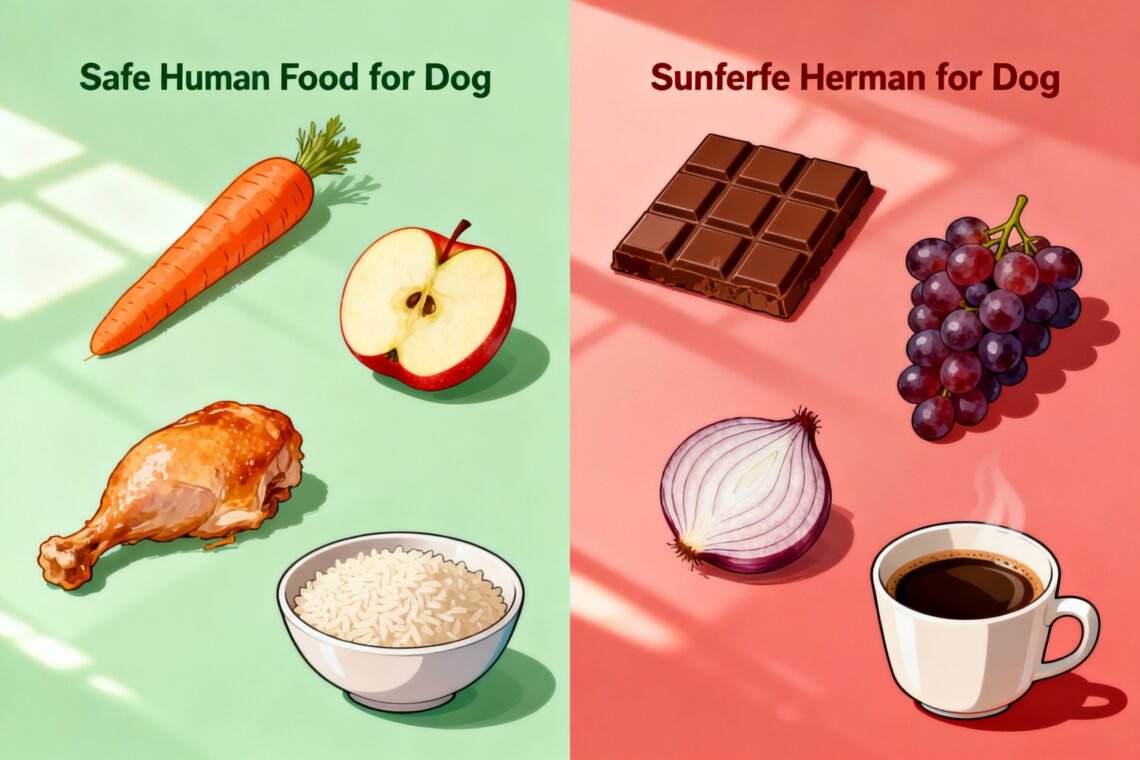
Quick Reference: Safe vs. Dangerous at a Glance
Dog-safe (plain, small amounts):
- Chicken, turkey, lean beef, salmon
- Eggs, plain yogurt, cheese (if tolerated)
- Blueberries, banana, apple (no seeds), watermelon (no seeds/rind)
- Carrots, green beans, cucumber, peas, pumpkin
- White rice, oatmeal, quinoa, plain pasta
- Peanut butter (xylitol-free), olive oil (tiny drizzle)
Danger zone (avoid completely):
- Grapes/raisins, chocolate/cocoa, xylitol
- Onions/garlic (any form), macadamia nuts
- Caffeine, alcohol, unbaked yeast dough
- Highly salted, highly seasoned, or very fatty foods
How to Spot Trouble (And What to Do)
Even careful sharers can slip up. If your dog eats something sketchy, watch for:
- GI signs: Vomiting, diarrhea, drooling, abdominal pain
- Behavior changes: Lethargy, tremors, hyperactivity, disorientation
- Specific red flags: Chocolate = restlessness and fast heart rate; xylitol = sudden weakness, wobbling
Act fast: Call your vet or a pet poison hotline immediately.
Have the product label handy. Timing matters a lot—don’t “wait and see.”
FAQ
Can dogs have peanut butter?
Yes—if it’s xylitol-free and given in moderation. Check the label every time since brands change formulas.
It’s calorie-dense, so think teaspoon, not tablespoon, especially for small dogs.
Is cheese okay for dogs?
In small amounts, yes. Many dogs handle cheese fine, but some get gassy or loose stools. Choose plain, low-lactose options like mozzarella.
IMO, use it as a high-value training treat, not a daily snack.
What fruits are best for dogs?
Blueberries, strawberries, apples (no seeds), bananas, and seedless watermelon. They pack vitamins and hydration. Keep portions small to avoid sugar overload—fruits are treats, not meals.
Can I give my dog bones from dinner?
Avoid cooked bones.
They can splinter and cause choking or internal damage. If you want to do raw bones, talk to your vet and supervise closely. Safer alternative: long-lasting rubber or nylon chews.
Is bread safe for dogs?
Plain, small pieces of bread are usually fine, but it’s basically empty calories.
Skip anything with raisins, garlic, onions, or seeds. And never give unbaked yeast dough—dangerous and painful.
What about rice for upset stomachs?
Plain white rice with boiled chicken can help settle mild GI upset. Keep portions small and watch for improvement within a day.
If vomiting or diarrhea persists, call your vet—FYI, dehydration sneaks up fast.
Conclusion
Sharing food with your dog can be fun, safe, and tasty—if you stick to simple, plain, dog-friendly options. Avoid the known dangers, read labels like a detective, and keep treats modest. Your dog doesn’t need spice or sugar to be thrilled—honestly, a carrot stick makes them feel like they won the lottery.
FYI, when in doubt, skip it or ask your vet. Better to be the “boring” human than the one googling “emergency vet near me” at 2 a.m., IMO.
This post contains paid and/or affiliate links. I make a small commission at no extra cost to you. Please see our Privacy Policy.