
This post contains paid and/or affiliate links. I make a small commission at no extra cost to you. Please see our Privacy Policy.
If your dog struggles with itchy skin, ear gunk, or tummy troubles after meals, a gentle homemade recipe can help. This simple Dog Food Recipe for Allergies focuses on using limited ingredients and clean cooking methods.
It’s designed to reduce common triggers while still providing your pup with complete, balanced nutrition when used in conjunction with a vet-approved supplement.
Table of Contents
The process is easy, the ingredients are budget-friendly, and the results can be a calmer, happier dog. Always check with your vet before switching foods, especially if your dog has a diagnosed allergy or medical condition.
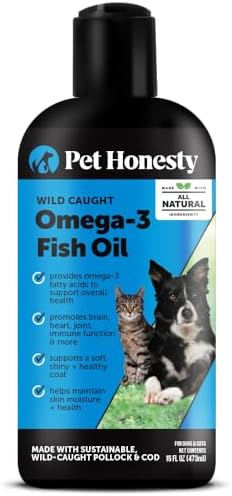
- VITAL FOR THEIR VITALS: Our fish oil for dogs is a bottleful of benefits. Essential fatty acids promote a shiny coat & h…
- ON THE INSIDE: Our dog fish oil supplement is packed with powerful ingredients that help fuel your dog every day. Made w…
- PURE & SIMPLE: Your dog is more than a pet, they’re a member of the family, & they deserve the best. That’s why our fish…

Dog Food Recipe for Allergies – Simple, Gentle, and Nutritious
Ingredients
- Protein: 2 pounds ground turkey (93–99% lean) or ground lamb for dogs that don’t tolerate poultry
- Carb: 3 cups cooked mashed sweet potato (about 2 large sweet potatoes)
- Vegetable: 1 cup finely chopped zucchini or 1 cup 100% pure pumpkin (no sugar or spices)
- Healthy fats: 2 tablespoons olive oil or avocado oil
- Omega-3s: Fish oil per your vet’s dosing (often 1000 mg per 20–30 lbs)
- Calcium source: 1–2 teaspoons ground eggshell powder (homemade, finely ground) or a vet-recommended calcium supplement
- Dog-safe multivitamin/mineral: Allergy-friendly formula approved by your vet
- Optional add-ins (check tolerance first): 1 tablespoon chopped parsley for breath, 1 tablespoon unsweetened kefir or plain goat’s milk for probiotics if dairy is tolerated
- Water or low-sodium bone broth (dog safe, no onion/garlic): 1/2–1 cup to moisten as needed
Instructions
- Prep your base. Peel and cube sweet potatoes. Boil or steam until fork-tender, then mash. Set aside.
- Cook the protein. In a large skillet, warm the oil over medium heat. Add ground turkey (or lamb) and break it up. Cook fully until no pink remains. Do not season.
- Soften the veggies. Stir in chopped zucchini and 1/2 cup water or broth. Cook 3–4 minutes until the zucchini is soft but not mushy. If using pumpkin, you’ll add it later instead of cooking here.
- Combine. In a large bowl or pot, mix the cooked protein/veg with the mashed sweet potato. If using canned pumpkin, fold it in now.
- Add supplements carefully. Let the mixture cool to warm—not hot—to protect nutrients. Stir in ground eggshell (or calcium), fish oil, and your dog’s multivitamin per label or vet instructions.
- Adjust texture. Add a splash of water or broth if it’s too thick. You want a moist, spoonable consistency.
- Portion. Divide into daily servings based on your dog’s weight and activity (see FAQ for guidance). Label containers with date and protein used.
- Serve. Introduce gradually over 5–7 days by mixing with your dog’s current food. Watch for any itching, gas, loose stool, or ear/skin changes.

Why This Recipe Works
This recipe uses limited ingredients to help you isolate and avoid common allergens like chicken, beef, wheat, soy, and dairy. It pairs lean protein (usually turkey or lamb), a single, low-allergen carbohydrate (sweet potato), and a gentle fiber source (pumpkin or zucchini) for easy digestion.
We keep seasoning out and cook everything plainly to protect sensitive stomachs. With the right canine multivitamin and omega-3s, you can make it more complete while you determine your dog’s triggers.



What You’ll Need
- Protein: 2 pounds ground turkey (93–99% lean) or ground lamb for dogs that don’t tolerate poultry
- Carb: 3 cups cooked mashed sweet potato (about 2 large sweet potatoes)
- Vegetable: 1 cup finely chopped zucchini or 1 cup 100% pure pumpkin (no sugar or spices)
- Healthy fats: 2 tablespoons olive oil or avocado oil
- Omega-3s: Fish oil per your vet’s dosing (often 1000 mg per 20–30 lbs)
- Calcium source: 1–2 teaspoons ground eggshell powder (homemade, finely ground) or a vet-recommended calcium supplement
- Dog-safe multivitamin/mineral: Allergy-friendly formula approved by your vet
- Optional add-ins (check tolerance first): 1 tablespoon chopped parsley for breath, 1 tablespoon unsweetened kefir or plain goat’s milk for probiotics if dairy is tolerated
- Water or low-sodium bone broth (dog safe, no onion/garlic): 1/2–1 cup to moisten as needed

How to Make It
- Prep your base. Peel and cube sweet potatoes. Boil or steam until fork-tender, then mash.
Set aside.
- Cook the protein. In a large skillet, warm the oil over medium heat. Add ground turkey (or lamb) and break it up. Cook fully until no pink remains.
Do not season.
- Soften the veggies. Stir in chopped zucchini and 1/2 cup water or broth. Cook 3–4 minutes until the zucchini is soft but not mushy. If using pumpkin, you’ll add it later instead of cooking here.
- Combine. In a large bowl or pot, mix the cooked protein/veg with the mashed sweet potato.
If using canned pumpkin, fold it in now.
- Add supplements carefully. Let the mixture cool to warm—not hot—to protect nutrients. Stir in ground eggshell (or calcium), fish oil, and your dog’s multivitamin per label or vet instructions.
- Adjust texture. Add a splash of water or broth if it’s too thick. You want a moist, spoonable consistency.
- Portion. Divide into daily servings based on your dog’s weight and activity (see FAQ for guidance).
Label containers with date and protein used.
- Serve. Introduce gradually over 5–7 days by mixing with your dog’s current food. Watch for any itching, gas, loose stool, or ear/skin changes.
Storage Instructions
- Refrigerator: Store in airtight containers for up to 3–4 days.
- Freezer: Portion into meal-sized containers or silicone molds. Freeze up to 2 months.
Thaw overnight in the fridge.
- Reheating: Warm gently until just lukewarm. Avoid microwaving supplements; add fish oil and vitamins after reheating if possible.
- Safety: Discard any leftovers that smell sour, look slimy, or were left out for more than 2 hours.
Benefits of This Recipe
- Reduces common triggers: No chicken, beef, wheat, soy, or dairy by default.
- Supports skin and coat: Omega-3s help calm itch and inflammation.
- Gentle on digestion: Sweet potato and pumpkin offer soluble fiber for firm stools.
- Customizable: You can swap proteins or veggies if your dog reacts to one ingredient.
- Transparent: You control every ingredient—no hidden fillers or flavorings.
Common Mistakes to Avoid
- Skipping supplements: Homemade food without added calcium and vitamins can lead to deficiencies.
- Changing too fast: Sudden switches can cause diarrhea. Transition slowly over a week.
- Overcooking or overheating supplements: Add fish oil and vitamins after the food cools.
- Using bone broth with onion/garlic: These are toxic to dogs.
Choose dog-safe broth only.
- Too many new foods at once: Introduce one change at a time so you can spot triggers.
Alternatives
- Protein swaps: Try ground duck, rabbit, or white fish if turkey or lamb isn’t tolerated.
- Carb swaps: Use cooked quinoa or plain white rice for dogs that don’t tolerate sweet potato.
- Veggie swaps: Substitute finely chopped green beans or spinach for zucchini.
- Low-fat version: Use extra-lean turkey and skip added oil; rely on fish oil for fats as guided by your vet.
- Single-protein elimination: For a strict trial, pick one protein and one carb only (for example, rabbit and quinoa) for 6–8 weeks under vet guidance.
FAQ
How much should I feed my dog?
A general starting point is 2–3% of your dog’s body weight per day, split into two meals. For example, a 30-pound dog might eat 9–14 ounces daily. Adjust based on body condition, activity level, and your vet’s advice.
Is this recipe complete and balanced?
Not on its own.
To be more complete, you must add a canine multivitamin/mineral, a calcium source, and omega-3s as directed by your vet. For long-term feeding, ask your vet to review the recipe or use a veterinary nutritionist service to fine-tune it.
How long until I see improvement in allergies?
Skin and itch symptoms can take 4–8 weeks to improve after removing triggers. Ears and stools may improve faster, often within 1–2 weeks.
Stick to the plan and avoid all treats or table scraps that contain potential allergens.
Can I use chicken if my dog isn’t allergic?
Yes, you can use ground chicken or turkey breast. However, chicken is a common trigger, so if symptoms return, switch back to a novel protein like lamb, duck, or rabbit.
Do I need to add probiotics?
They can help many sensitive dogs. Choose a dog-specific probiotic or use a small amount of plain, unsweetened kefir if dairy is tolerated.
Introduce slowly and monitor stools.
What if my dog still itches on this recipe?
Stop all new treats, flavored medications, and chews that could carry allergens. Try a different protein and carb combo, and consult your vet about a formal elimination diet or additional allergy treatments.
Is it safe for puppies?
Puppies have different nutrient needs, especially calcium and phosphorus. Only feed homemade diets to puppies under direct veterinary guidance and with a nutritionist-approved supplement plan.
Can I batch-cook this for multiple dogs?
Yes.
Keep the base recipe the same, then portion by each dog’s weight. Note which protein you used and track any reactions for each dog separately.
Final Thoughts
Cooking for a dog with allergies doesn’t have to be complicated. With a short ingredient list, careful cooking, and the right supplements, many dogs see calmer skin, better stools, and more comfortable days.
Partner with your vet, make changes slowly, and keep notes on what works. Your careful approach is the best tool for finding a recipe that helps your dog feel great again.
This post contains paid and/or affiliate links. I make a small commission at no extra cost to you. Please see our Privacy Policy.