This post contains paid and/or affiliate links. I make a small commission at no extra cost to you. Please see our Privacy Policy.
Puppies grow like weeds, but cuter and with more zoomies. The right food turns those wiggly noodles into strong, healthy adults. The wrong food?
Think tummy troubles, weak bones, and a lot of vet bills. Let’s make sure your tiny land shark gets everything they need to thrive, not just survive.
Table of Contents
What Puppies Actually Need (And Why It Matters)
Puppies aren’t just small dogs. They grow fast, build muscle, and develop brains like little sponges.
That takes fuel. A great puppy food packs more protein, more fat, and targeted nutrients for bones, brain, and immunity. Here’s the short list your pup’s food should hit:
- High-quality animal protein as the first ingredient (chicken, turkey, beef, salmon, lamb)
- Higher fat for energy and coat health
- Calcium and phosphorus balanced right for bones
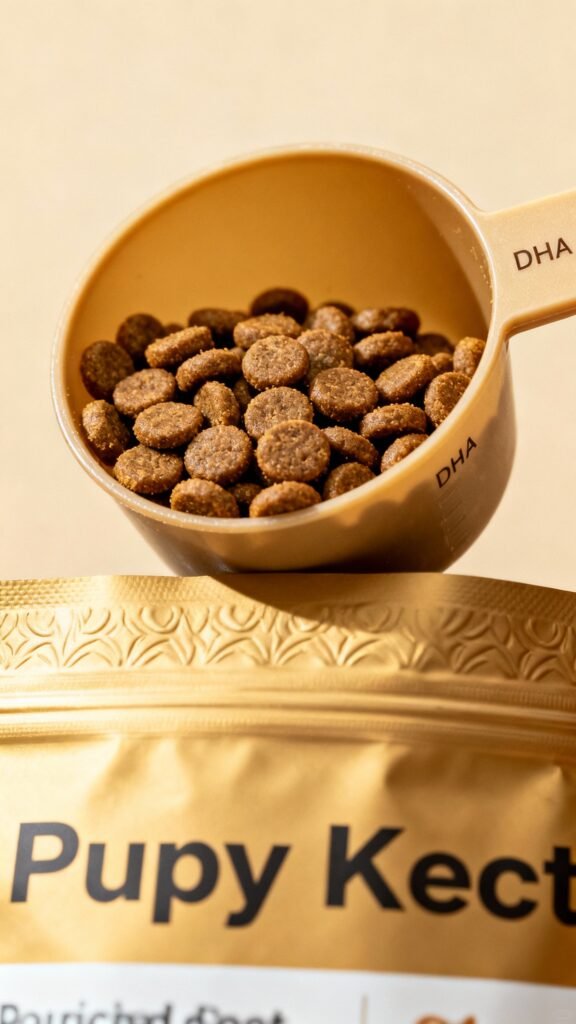
- DHA (an omega-3) for brain and eye development
- AAFCO “growth” or “all life stages” statement on the bag
FYI: If it says “for adult maintenance,” it’s a no for puppies.

Finding the Right Formula: Not All Pups Are Built the Same
Different sizes, different needs. Simple as that.
Small and Medium Breeds
They grow quickly and finish earlier.
Look for:
- Protein: 26–30%
- Fat: 14–20%
- Small kibble size for tiny jaws
- DHA from fish oil
Large and Giant Breeds (50+ lb adults)
These pups need careful bone growth to avoid joint problems later. Choose a “large-breed puppy” formula with:
- Controlled calories to prevent rapid weight gain
- Calcium:phosphorus around 1.2–1.4:1
- DHA and glucosamine/chondroitin support (nice-to-haves)
IMO, large-breed puppies benefit the most from breed-appropriate formulas—don’t wing it here.

Dry, Wet, Fresh, or Raw? Let’s Decode the Options
There’s no one-size-fits-all, but each style has trade-offs.
- Dry (kibble): Convenient, cost-effective, easy to measure, good for training kibble.
Choose brands with transparent sourcing and named meats.
- Wet (cans): Tasty, higher moisture, good for picky eaters. Can get pricey and doesn’t clean teeth (myth busted).
- Fresh/Frozen: Minimal processing, can be very digestible, great palatability. Expensive and needs freezer space.
- Raw: Can work if done right, but requires careful handling and balancing. Consult your vet if you go this route.
Mixing Food Types
You can absolutely mix.
A common approach:
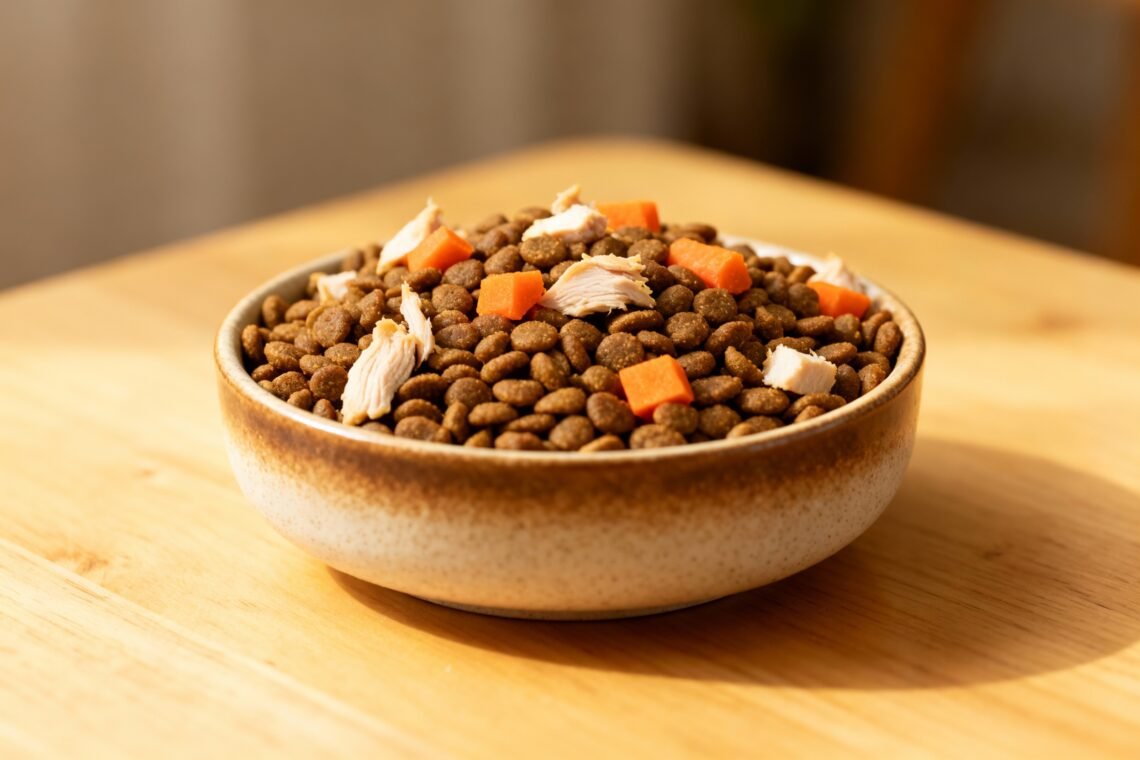
- Base diet: high-quality dry puppy food
- Topper: wet food, sardines in water (DHA boost), or a scoop of fresh food
- Keep treats under 10% of daily calories
Pro tip: If your pup’s poop gets soft, scale back rich toppers.
Reading the Label Without Getting a Headache
Pet food labels love buzzwords. Focus on the must-haves:
- “Complete and balanced” for growth or “all life stages” per AAFCO
- Named animal protein first (e.g., chicken, salmon)
- DHA listed (fish oil, salmon oil, DHA algae oil)
- No vague “meat by-product” as the main protein (named by-products can be fine, vague ones are meh)
- Feeding trials > “formulated to meet” (gold star if you see feeding trial mention)
Ingredients You Don’t Need to Fear
Grains aren’t evil. In fact, whole grains can support gut health.
Grain-free isn’t automatically better and has been linked (rarely) to heart issues in some dogs. If your pup truly needs grain-free, work with your vet.
My Shortlist: Solid Puppy Foods That Consistently Deliver
No brand pays me; this is just what tends to perform well and checks the science boxes. Always choose the version that matches your pup’s size.
- Purina Pro Plan Puppy (regular and large-breed): Evidence-backed, widely vet-recommended, great DHA content.
- Hill’s Science Diet Puppy (including large-breed): Consistent formulations, strong nutrition research.
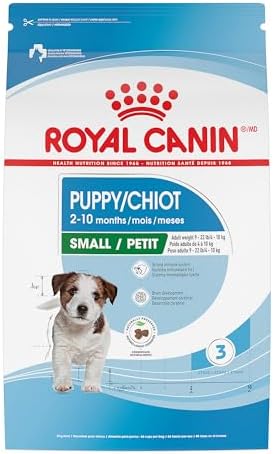
- Royal Canin Puppy: Breed- and size-specific options, excellent digestibility.
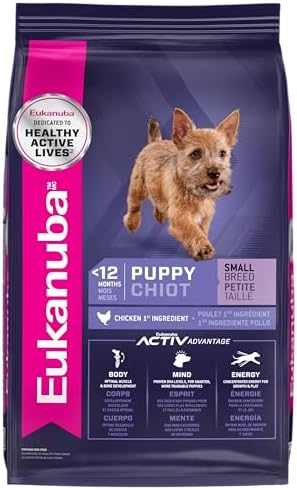
- Eukanuba Puppy: Athletic-leaning profiles, good joint support add-ins.
- Wellness Complete Health Puppy: Quality ingredients with solid nutrition balance.
- Orijen Puppy or Acana Puppy: Higher meat content, very palatable; monitor rich formulas for sensitive stomachs.
- The Farmer’s Dog or JustFoodForDogs Puppy recipes: Fresh options with vet-formulated recipes.
IMO, start with Pro Plan or Hill’s for most pups.
If you want “fancier,” try Orijen/Acana slowly and watch stools.
How Much and How Often? Feeding Schedules That Work
Puppies eat like hobbits—multiple meals a day. Keep blood sugar steady and avoid tummy upsets with a simple plan.
- 8–12 weeks: 3–4 meals/day
- 3–6 months: 3 meals/day
- 6–12 months: 2–3 meals/day
Portioning Without Guesswork
Start with the bag’s chart, then adjust weekly based on:
- Body condition: You should feel ribs easily, not see them sharply.
- Stool quality: Aim for firm, log-shaped, easy to pick up.
- Energy: Zoomies are good; constant hunger or lethargy isn’t.
Large-breed owners: Keep pups lean while growing.
Extra weight stresses joints.
Common Puppy Food Mistakes (And Easy Fixes)
We all learn. Here’s the cheat sheet to avoid headaches.
- Switching foods too fast: Transition over 5–7 days (25% new added every two days).
- Too many treats: Cap at 10% of daily calories, especially during training.
- Ignoring dental chews: Choose VOHC-approved chews for dental health, not bones that can crack teeth.
- Homemade diets without a vet nutritionist: Easy to unbalance calcium and vitamins. If you DIY, get a recipe from a vet nutritionist.
- Sticking with puppy food too long: Most small/medium dogs switch at 12 months; large/giant breeds often around 12–18 months.
Ask your vet based on growth plates.
Supplements: Helpful or Hype?
Most quality puppy foods already include what your pup needs. Extras can tip the balance the wrong way.
- DHA/omega-3s: Great if your food lacks fish oil. Use a pet-safe fish oil; dose by your vet’s guidance.
- Probiotics: Useful during transitions, antibiotics, or tummy episodes.
Choose dog-specific strains.
- Calcium: Hard no unless your vet says so. You can cause skeletal issues, especially in large breeds.
Bottom line: If the food is complete and balanced, you don’t need a multivitamin.
FAQ
Should I feed grain-free puppy food?
Not unless your vet recommends it for a specific reason. Most puppies do great on diets with healthy grains like rice, oats, or barley. Grain-free isn’t automatically better, and in some cases, linked grain-free diets to heart issues.
When in doubt, ask your vet.
How do I know if the food agrees with my puppy?
Watch for consistent, formed stools, a shiny coat, steady energy, and a healthy weight. Excess gas, itchy skin, soft poop, or frequent diarrhea can signal a mismatch. Try a slow transition to a different protein or brand and loop in your vet if it continues.
Can I change proteins (chicken to lamb to fish)?
Yes—variety can help prevent picky eating.
Transition slowly over a week. If your pup has food sensitivities, keep a log of what works and what causes issues.
What about raw bones for teething?
Skip weight-bearing bones (risk of broken teeth) and cooked bones (splinter risk). Use safe chews, frozen wet washcloths, or rubber toys.
If you choose raw feeding or bones, do it under guidance and practice strict hygiene.
When do I switch to adult food?
Small/medium breeds: around 12 months. Large/giant breeds: 12–18 months, depending on growth. Your vet can check growth plates and body condition to time it right.
My puppy is picky.
Any tricks?
Try warming the food with a splash of warm water, adding a spoon of wet food, or using a fish-oil drizzle. Keep mealtimes structured—put the bowl down for 15 minutes, then pick it up until the next meal. Hunger is a powerful motivator (within reason).
Conclusion
You don’t need a PhD to feed your puppy right—just a solid formula, smart portions, and a little label savvy. Pick a reputable puppy food, match it to your dog’s size, and feed on a schedule.
Add patience, training treats in moderation, and lots of praise. Do that, and you’ll raise a healthy, happy dog who thinks you’re a culinary genius. Which, IMO, you are.
This post contains paid and/or affiliate links. I make a small commission at no extra cost to you. Please see our Privacy Policy.