This post contains paid and/or affiliate links. I make a small commission at no extra cost to you. Please see our Privacy Policy.
Puppies have tiny bladders and even tinier patience. If you feel like your life suddenly revolves around pee breaks, congrats—you’re doing it right. The big question: how often should you take your puppy outside so your carpet doesn’t become a crime scene?
Table of Contents
Let’s break it down simply, realistically, and with zero judgment about that one time you trusted your pup “for just five minutes.”
The Golden Rule: Age in Months + One
Want a quick baseline? Use this simple formula: your puppy can usually hold it for about their age in months + one hour. So:
- 8-week-old puppy (2 months) = 3 hours
- 3-month-old puppy = 4 hours
- 4-month-old puppy = 5 hours
That’s a guideline, not gospel.
Some pups need more frequent breaks, especially after drinking, playing, or waking up. Also, small breeds often need to go out more often than big breeds. Tiny tanks, big enthusiasm.

The Daily Rhythm: When to Go Out or Should You Take A Puppy Outside
Timing matters.
Puppies follow predictable patterns, and you can use that to your advantage (and protect your rugs).
- First thing in the morning – no delay, straight outside
- After every meal – 5 to 30 minutes after eating
- After naps and play – excitement = pee
- Before bedtime – even if they “just went”
- Every 2–4 hours during the day – depending on age
FYI, water intake changes everything. If your puppy just chugged half the bowl like a frat bro, expect a sooner-than-usual trip.
Sample Schedules by Age
- 8–10 weeks: Outside every 2–3 hours, plus all the key moments above
- 10–16 weeks: Every 3–4 hours, still vigilant after meals and play
- 4–6 months: Every 4–5 hours, with consistent routines
Nighttime? You’ll probably set an alarm for at least one bathroom break until around 12–16 weeks.
It’s normal. You’ll survive. Coffee helps.
Crate Training: Your Secret Weapon
Crates get a bad rap, but they’re incredibly helpful for house training.
Dogs instinctively avoid soiling their sleeping area, which teaches them to hold it a bit longer.
- Pick a crate just big enough to stand, turn, and lie down comfortably
- Use calm routines: out of the crate, straight outside, reward immediately
- Never use the crate as punishment
Timing tip: Don’t push your puppy past their limit just because they’re in a crate. Stick to age-based windows and you’ll see faster progress.
What About Playpens?
Playpens work great for safe daytime confinement. But if you use pee pads inside the pen, you’ll slow outdoor training.
IMO, if you want a dog that goes outside reliably, keep the bathroom outside from the start unless you have special circumstances (like a high-rise situation).

Reading the Signs: Don’t Miss the Moment
Before accidents happen, puppies usually broadcast a “must-pee-now” signal. You just need to learn the language.
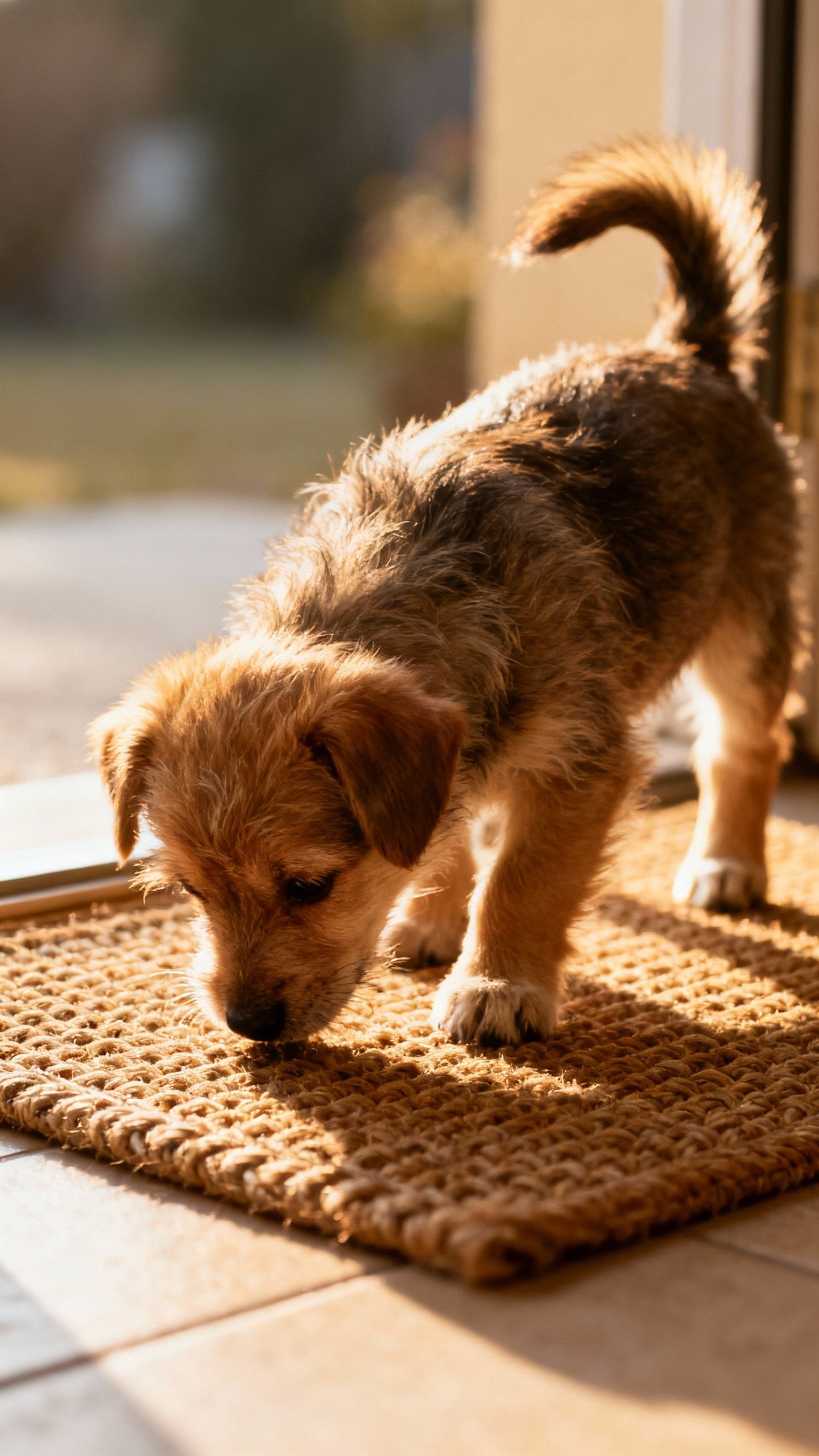
- Sudden sniffing and circling
- Wandering away from play
- Whining or heading to the door
- Restlessness after drinking
When you see these, don’t ask questions—just go. Praise heavily when they potty outside.
Treats help cement the habit fast. Yes, you’ll feel silly cheering for pee. You’ll also feel victorious when your floors stay clean.
Food, Water, and Potty Timing
You control the inputs, which helps predict the outputs.
Convenience win.
- Feed on a schedule – same times daily to create predictable bathroom windows
- Pick up water 2 hours before bedtime – unless your vet says otherwise
- Limit zoomies before bed – excitement triggers last-minute pee breaks
After meals, most puppies need to go. Start a timer for 10–20 minutes. Head outside, wait calmly, praise like crazy when they go.
How Long Should You Wait Outside?
Give them 5–10 minutes to do their business.
If nothing happens, head back in and try again in 15 minutes. Don’t turn outdoor potty time into playtime until they go. Otherwise, they’ll learn that “potty” means “party.”
Common Pitfalls That Slow Training
Some mistakes happen because you’re human and tired.
Totally fair. Here are the big ones to avoid:
- Waiting too long between breaks – accidents teach bad habits
- Letting them roam unsupervised – use gates or leashes inside to prevent sneaky pees
- Inconsistent routines – puppies thrive with predictable patterns
- Scolding accidents – it only teaches them to hide it, not hold it
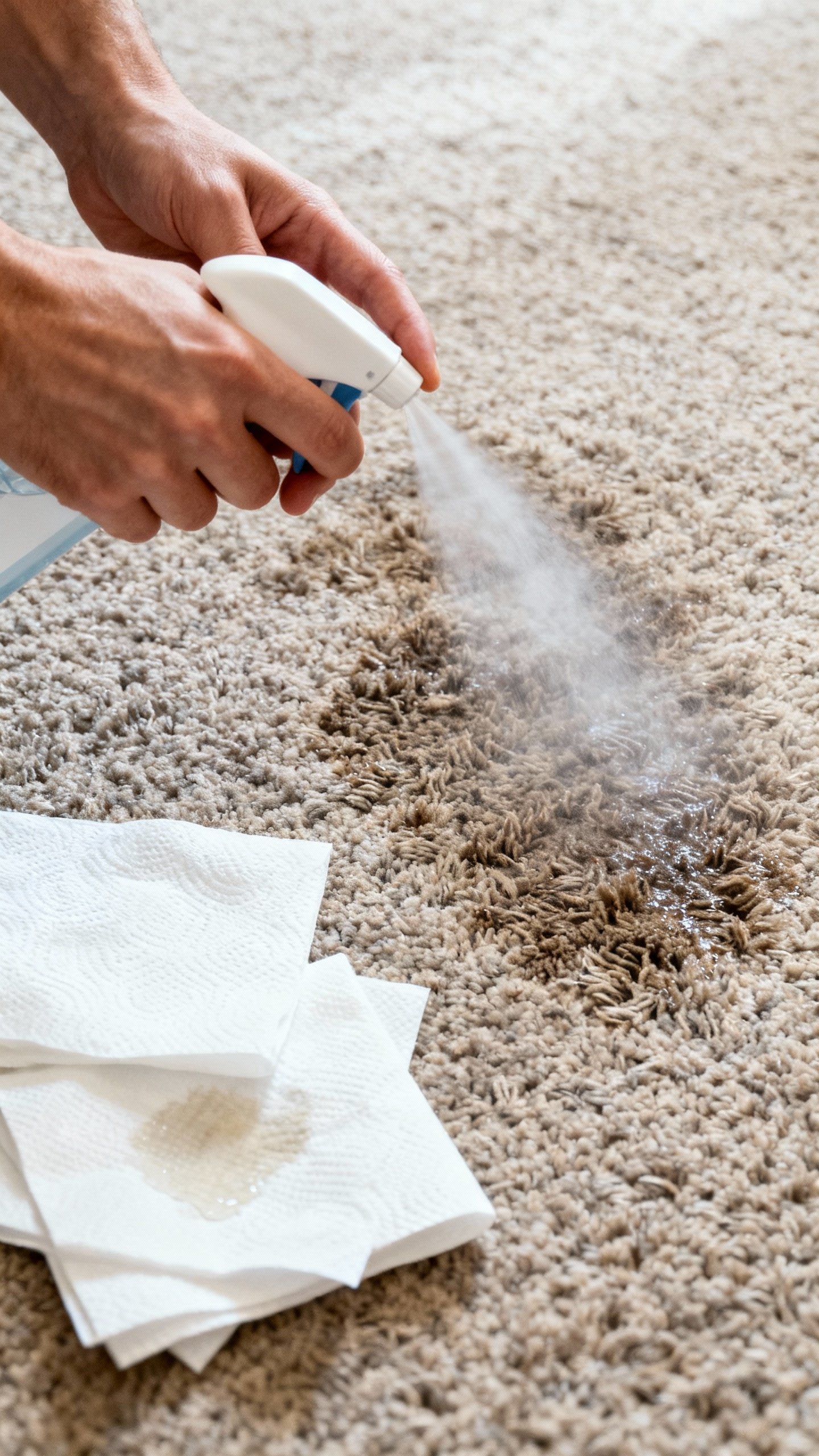
- Cleaning with the wrong products – use enzymatic cleaners to remove odor completely
And no, rubbing their nose in it doesn’t work. It just makes them confused and anxious.
We’re training bladder control, not breaking spirits.
Health and Breed Factors
Every puppy differs. Some factors change how often you should go out:
- Small breeds – need more frequent breaks
- High-energy pups – excitement triggers more peeing
- Medical issues – UTIs, parasites, or stress can cause frequent accidents
- Weather – extreme cold or rain can make puppies reluctant; use a covered spot
If your puppy pees very often, strains, or has accidents after months of success, call your vet. Better safe than pulling your hair out over a fixable issue.
How Long Until They’re “House Trained”?
Expect several weeks of consistent effort.
Most puppies hit a reliable groove by 5–6 months, though that doesn’t mean zero accidents. Keep reinforcing good habits for months, not days. A good sign you’re winning?
Your puppy starts going to the door, peeing immediately when you reach the usual potty spot, and holding it during short car rides. Victory lap incoming.
FAQ
How often should I take an 8-week-old puppy outside?
Plan for every 2–3 hours during the day, plus after meals, naps, and play. At night, set an alarm for at least one potty break.
Keep trips calm and quick—business first, party later.
Should I use pee pads or go straight to outdoor training?
If you can manage outdoor trips, go straight outside. It builds clear habits faster. Pee pads can help in apartments or during bad weather, but they can also confuse the “potty spot” concept.
FYI, consistency matters more than the method.
Why does my puppy pee right after coming back inside?
They probably got distracted outside and didn’t finish. Try a quiet potty area, wait a bit longer, and reward immediately after they go. If needed, leash them in the yard to focus on the task, then play after.
Can my puppy hold it while I’m at work?
Probably not for a full workday.
Arrange a midday potty break with a friend, neighbor, or dog walker, especially for puppies under 6 months. Long holds lead to accidents and slow training.
How do I handle nighttime potty breaks?
Keep it boring and efficient. Lights low, straight outside, quick praise, back to bed.
Don’t start playtime or feed them. Most puppies sleep through the night by 12–16 weeks if you manage water and routines well.
What if my puppy keeps having accidents despite frequent trips?
Tighten supervision, use a crate or tether indoors, and track timing around meals and play. Clean thoroughly with enzymatic cleaners.
If accidents continue or your pup strains or dribbles, talk to your vet to rule out medical issues. IMO, a quick check beats weeks of frustration.
Conclusion
House training isn’t magic—it’s timing, consistency, and a lot of short trips outside. Follow the age-plus-one rule, watch those early warning signs, and reward like you mean it.
Stick with the routine, and soon your puppy will hit the grass on autopilot. Your floors—and your sanity—will thank you.
This post contains paid and/or affiliate links. I make a small commission at no extra cost to you. Please see our Privacy Policy.