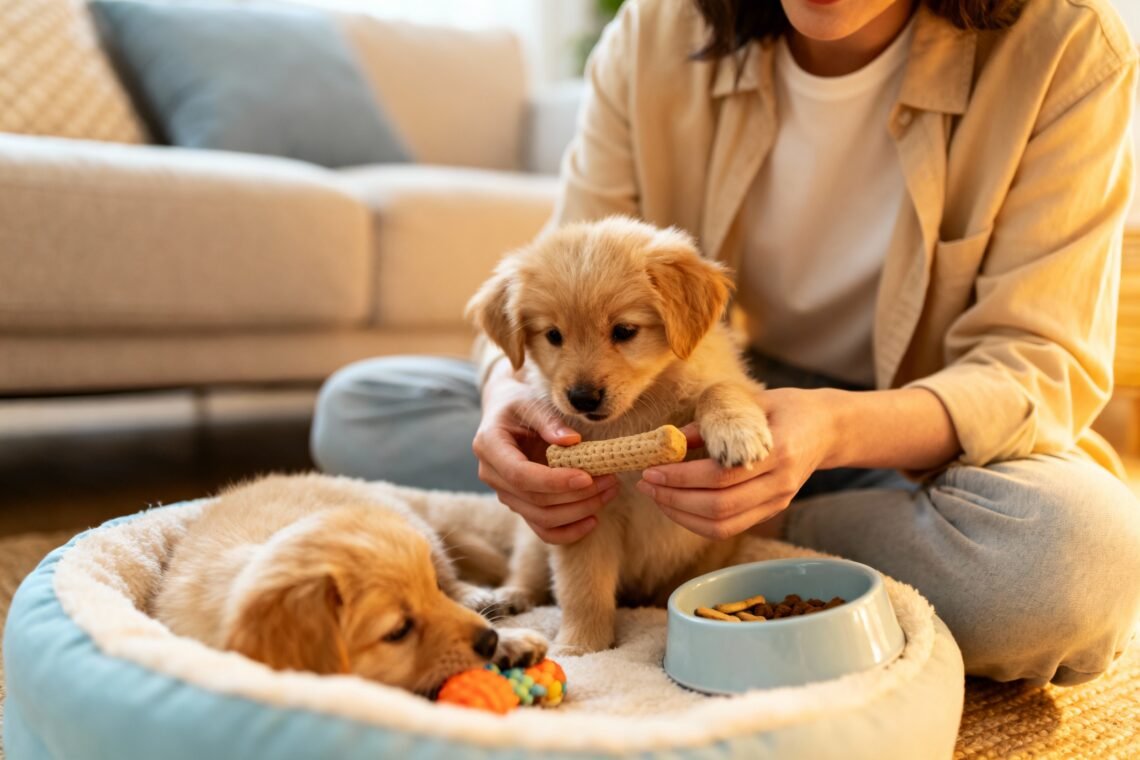
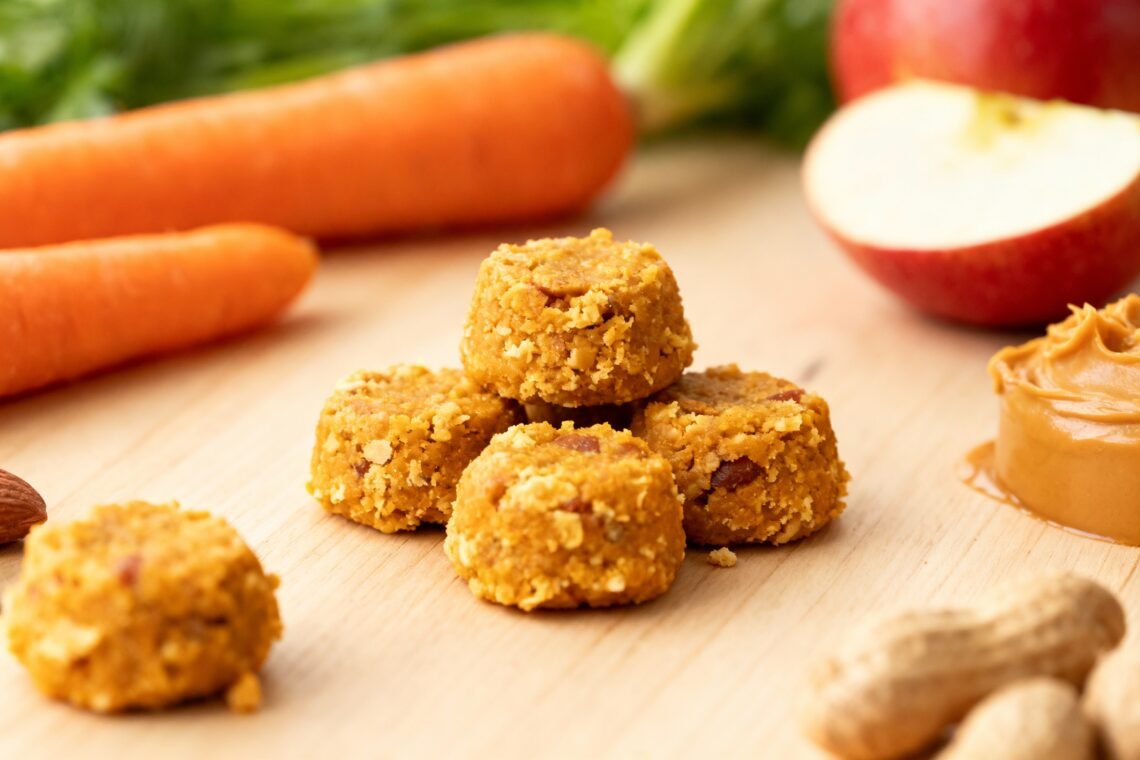
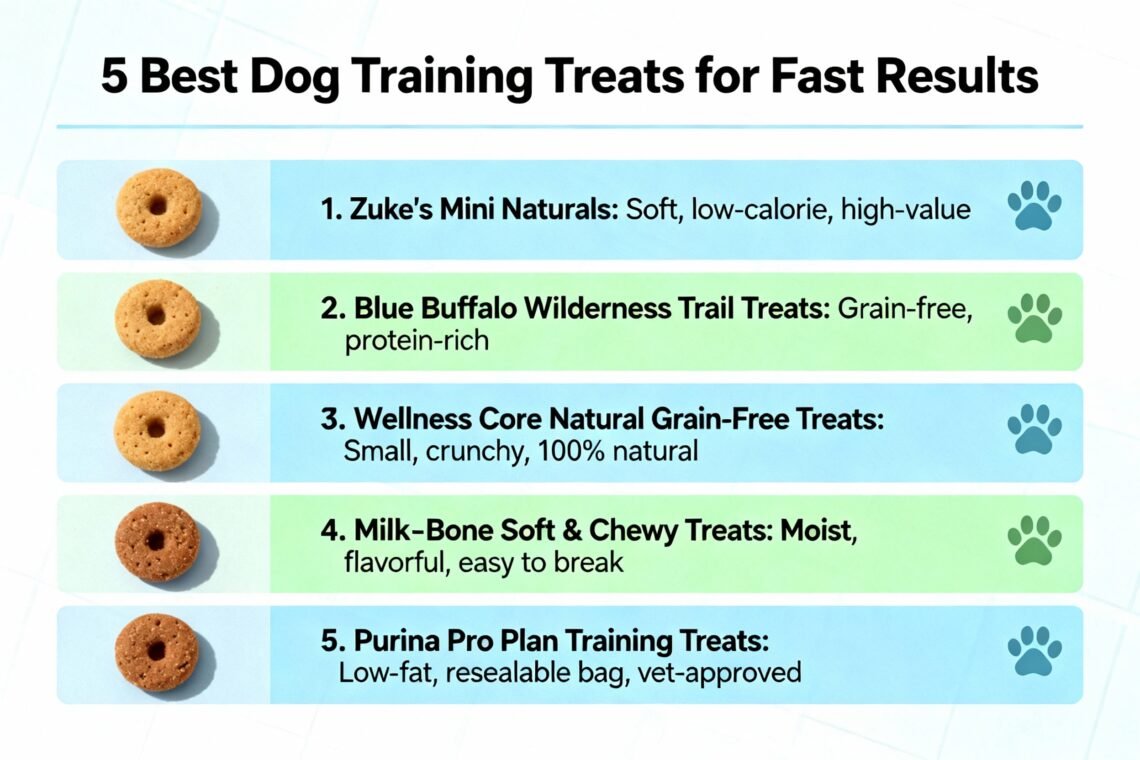
Your dog ignores your “sit” like you just asked them to file taxes, right? Yeah, I’ve been there. Training clicks faster when you use the right dog training treats, and I don’t mean those rock-hard biscuits your pup hides under the couch. I’ve trained stubborn pups, food snobs, and one dramatic diva who demanded five-star snacks only. So let’s talk real results, real treats, and why some rewards work way better than others. Why Training Treats Matter More Than You Think Training treats don’t just reward behavior. They motivate, focus, and speed up learning when you choose wisely. Ever notice…
-
-
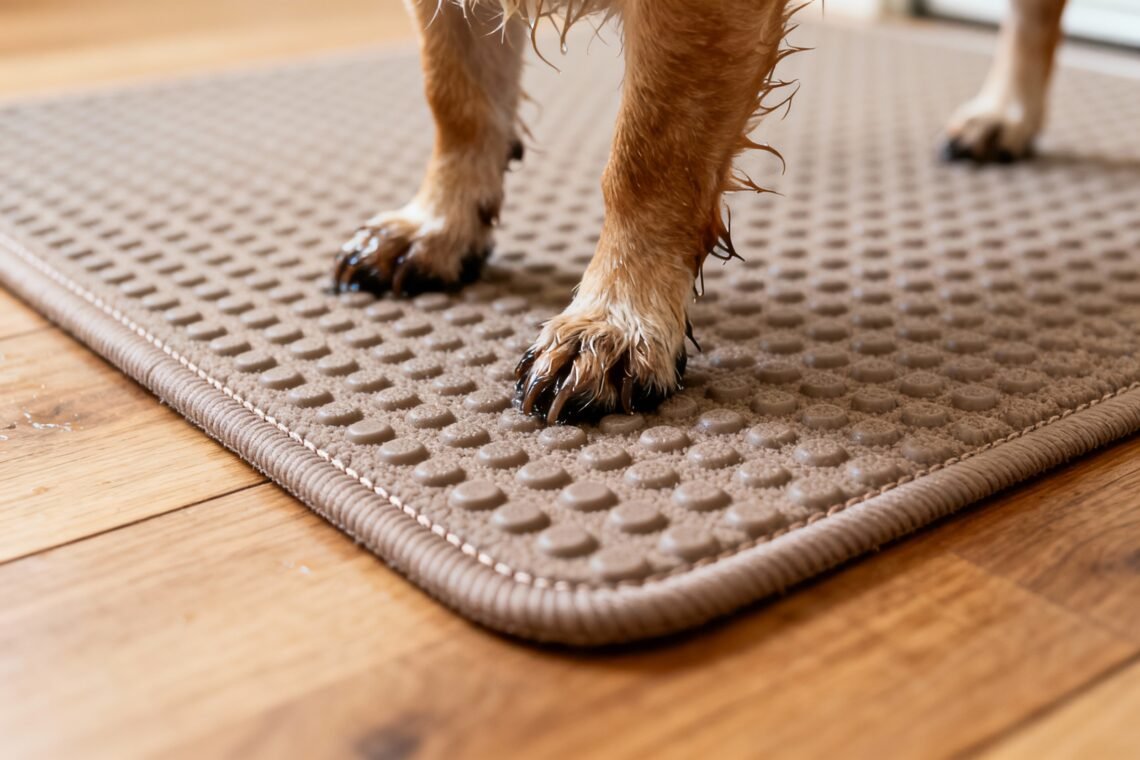
Your dog doesn’t care that you just mopped. Those paws? Nature’s Swiffers—collecting mud, grass, and mystery gunk with Olympic enthusiasm. The fix isn’t yelling “PAWS!” from the kitchen. It’s a great entrance mat that does the dirty work before the mess hits your floors. Why a Dog Entrance Mat Is the Unsung Hero A solid dog entrance mat saves your floors, your sanity, and your mop bucket. It traps dirt, absorbs moisture, and gives your dog a spot to pause before they blast inside like a tiny, muddy tornado. Also, it’s a vibe check for your entryway—functional and not ugly?…
-
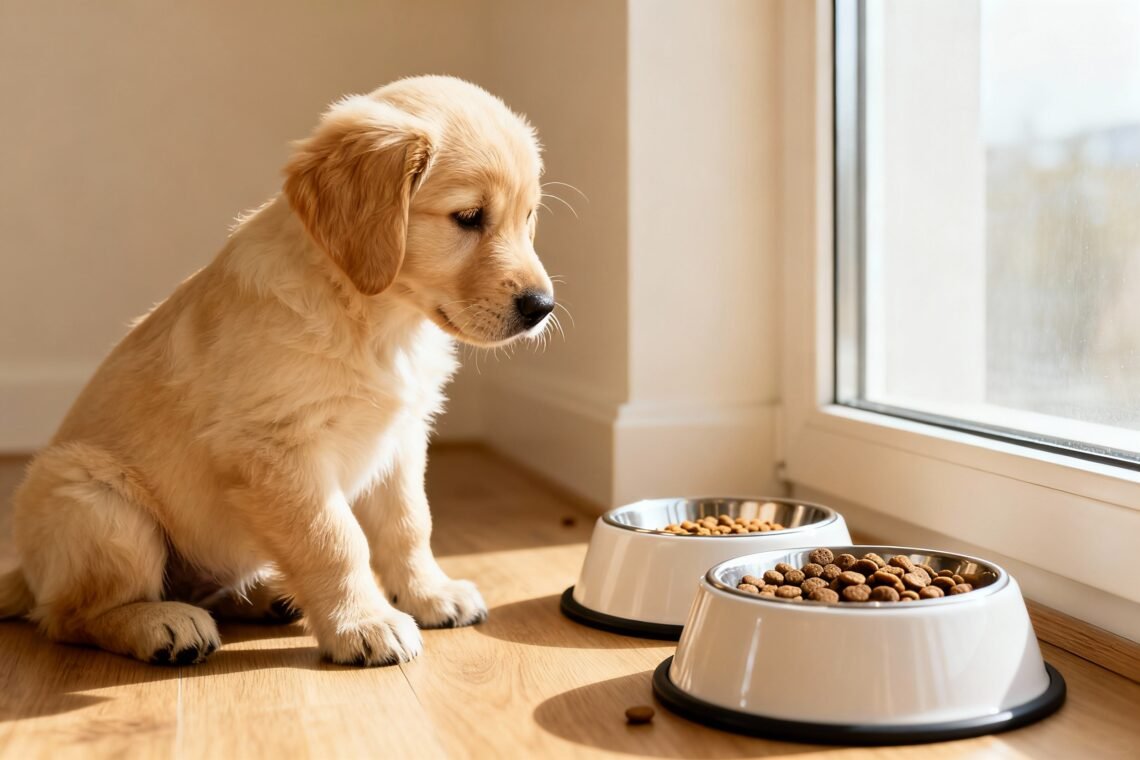
Puppies act like tiny bottomless pits with paws. They eat, nap, zoom, repeat—and it’s adorable until you realize you’re the one managing the meal schedule. So, how many times a day should you actually feed your puppy? Short answer: more than you think, but not constantly. Let’s break it down so your pup grows strong and you don’t lose your mind. Why Meal Frequency Matters Puppies grow fast. Like, “grow out of a collar in two weeks” fast. Their bodies burn energy at warp speed, so they need steady fuel to keep up—and to avoid the hangry zoomies. Consistent meals…
-
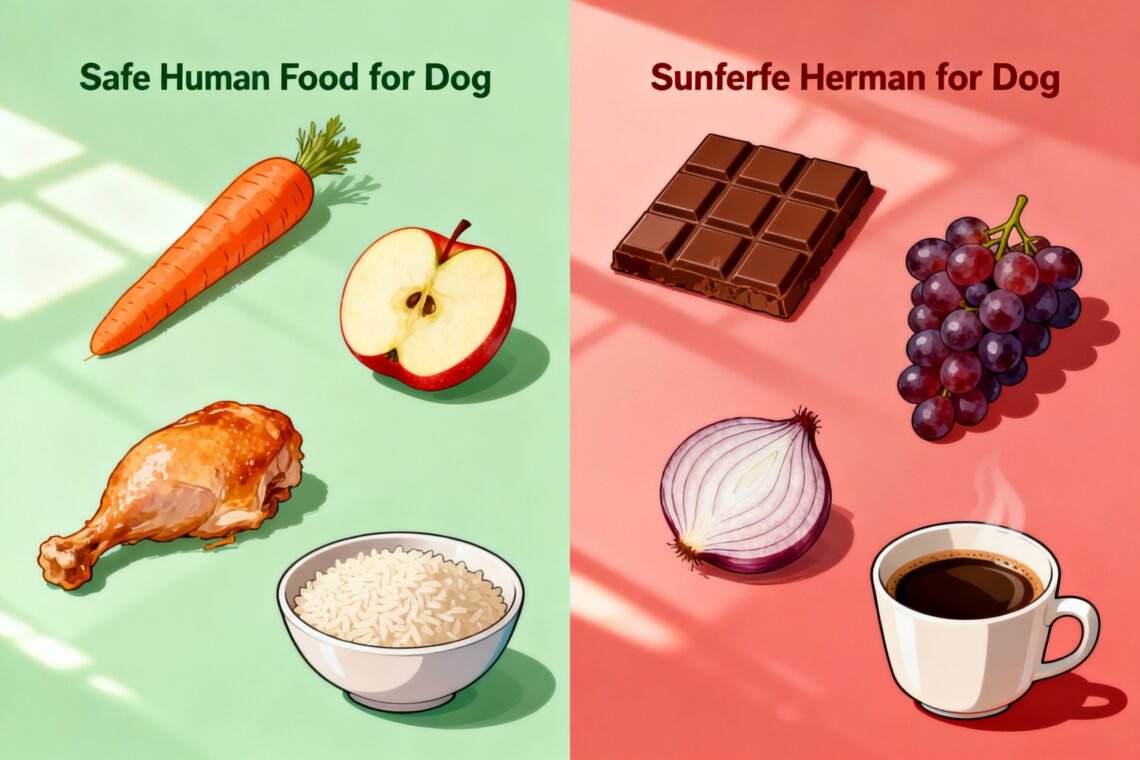
Your dog looks up at you with those big, pleading eyes as you eat. You cave and share a bite—harmless, right? Sometimes yes, sometimes absolutely not. The line between safe and dangerous human food for dogs isn’t always obvious, so let’s make it clear and save you a panicked vet visit. The Golden Rule: Keep It Simple and Dog-Safe We love flavor bombs. Dogs don’t need them. When in doubt, give your dog plain, unseasoned, whole foods in small amounts. Fancy sauces and spices? Hard pass. Remember: Dogs have different metabolisms. What fuels us can seriously harm them. You…
-
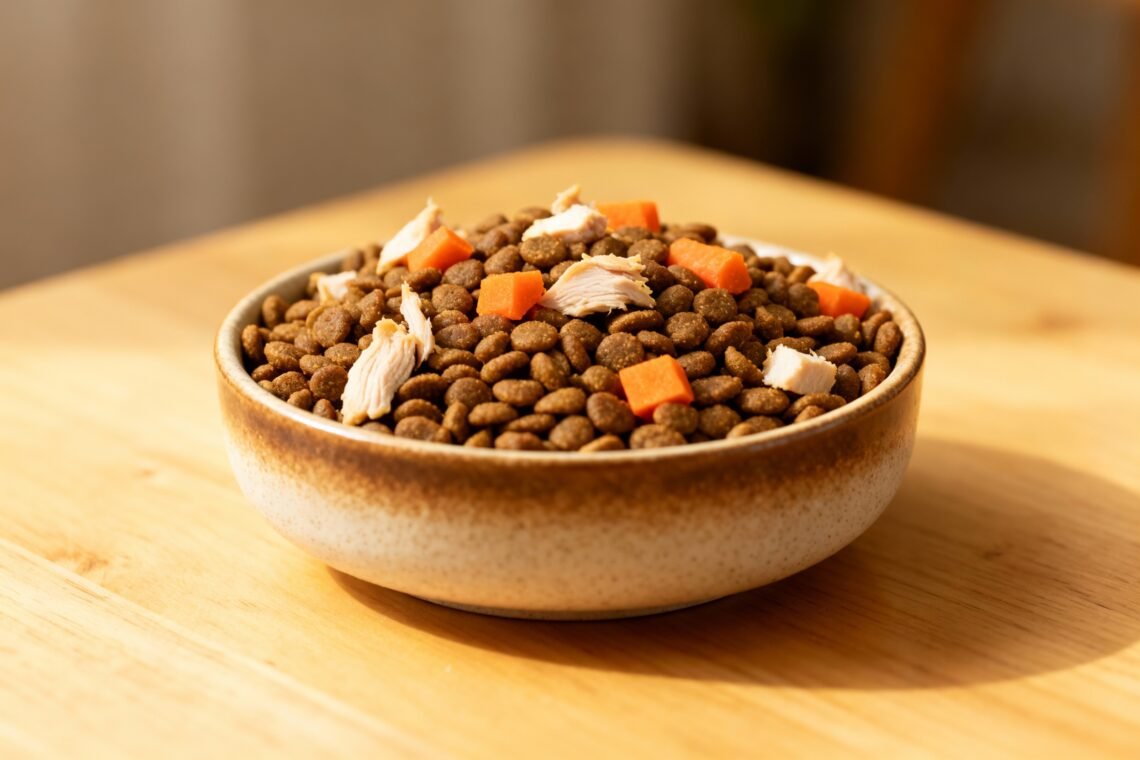
Puppies grow like weeds, but cuter and with more zoomies. The right food turns those wiggly noodles into strong, healthy adults. The wrong food? Think tummy troubles, weak bones, and a lot of vet bills. Let’s make sure your tiny land shark gets everything they need to thrive, not just survive. What Puppies Actually Need (And Why It Matters) Puppies aren’t just small dogs. They grow fast, build muscle, and develop brains like little sponges. That takes fuel. A great puppy food packs more protein, more fat, and targeted nutrients for bones, brain, and immunity. Here’s the short list your…
-
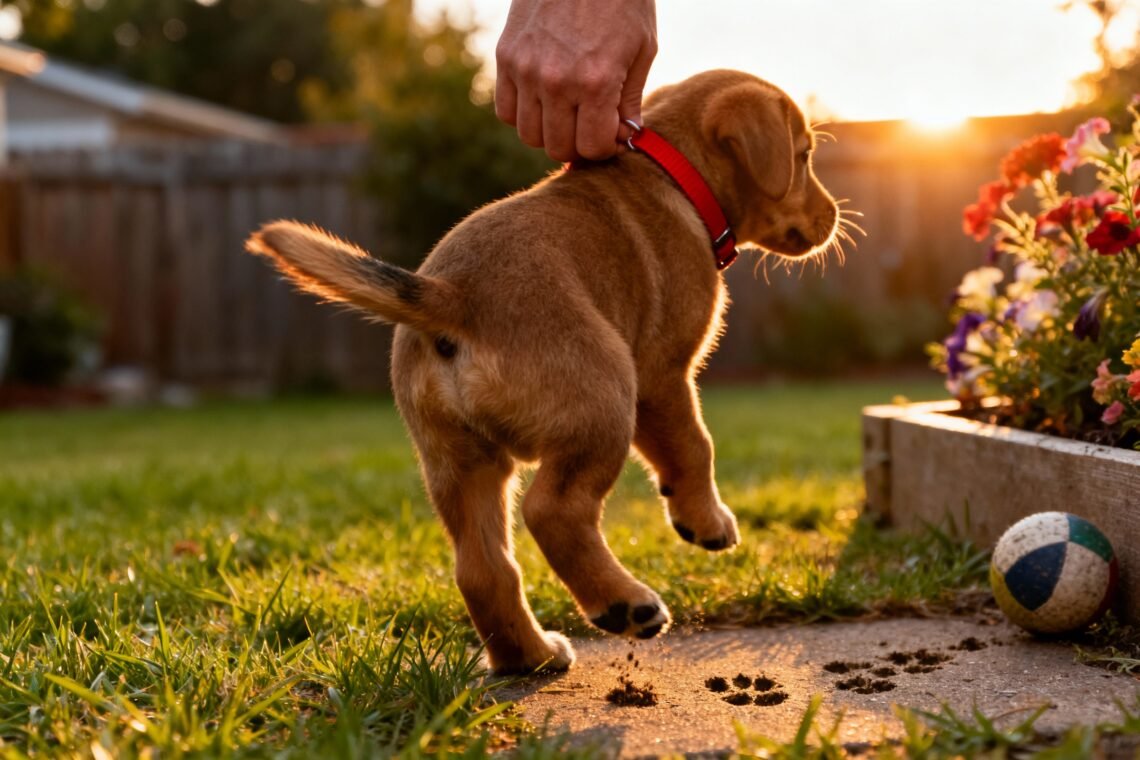
Puppies have tiny bladders and even tinier patience. If you feel like your life suddenly revolves around pee breaks, congrats—you’re doing it right. The big question: how often should you take your puppy outside so your carpet doesn’t become a crime scene? Let’s break it down simply, realistically, and with zero judgment about that one time you trusted your pup “for just five minutes.” The Golden Rule: Age in Months + One Want a quick baseline? Use this simple formula: your puppy can usually hold it for about their age in months + one hour. So: That’s a guideline, not…
-
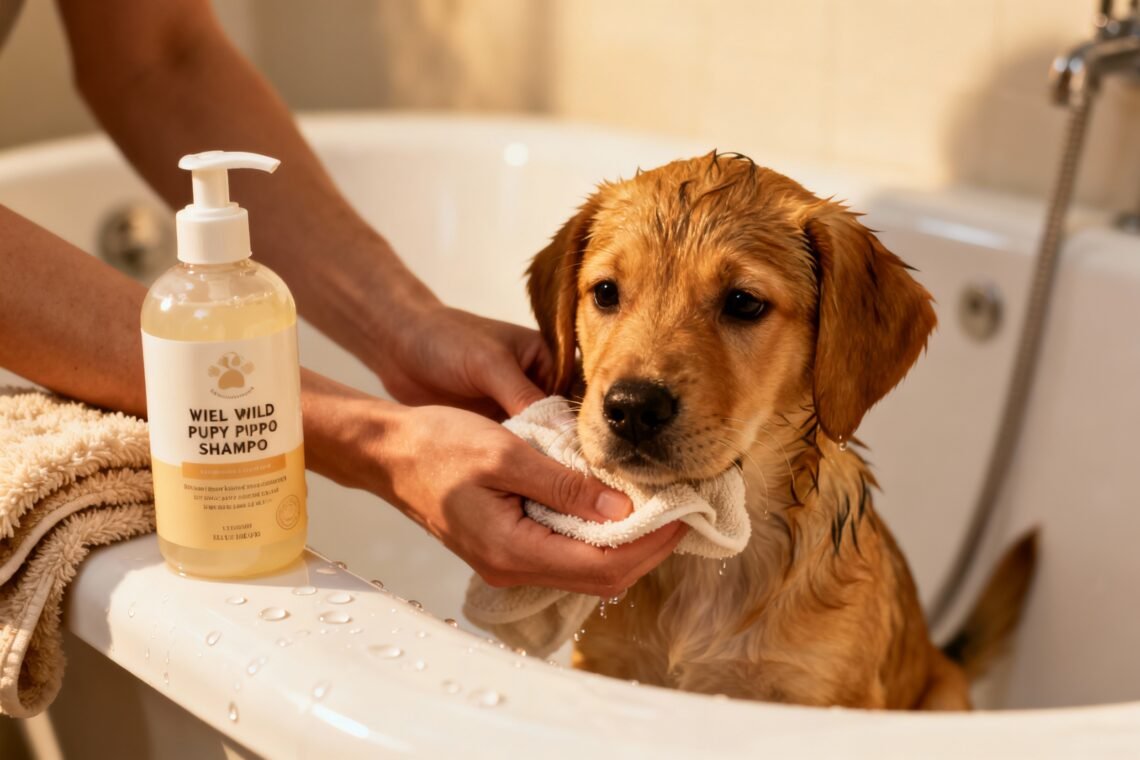
Puppy got into a puddle, a plant, or something that suspiciously looks like spaghetti sauce? Time for a clean-up. You don’t need a fancy groomer, and you definitely don’t need chaos. With the right game plan, you can get your pup fresh, fluffy, and calm—without turning your bathroom into a slip-n-slide. Know When Your Puppy Actually Needs a Bath You don’t need to bathe puppies every week. In fact, too many baths can dry out their skin. Most puppies do great with a bath every 3–4 weeks, or when they smell… “noticeable.” Quick rule of thumb: Red flags that call…
-
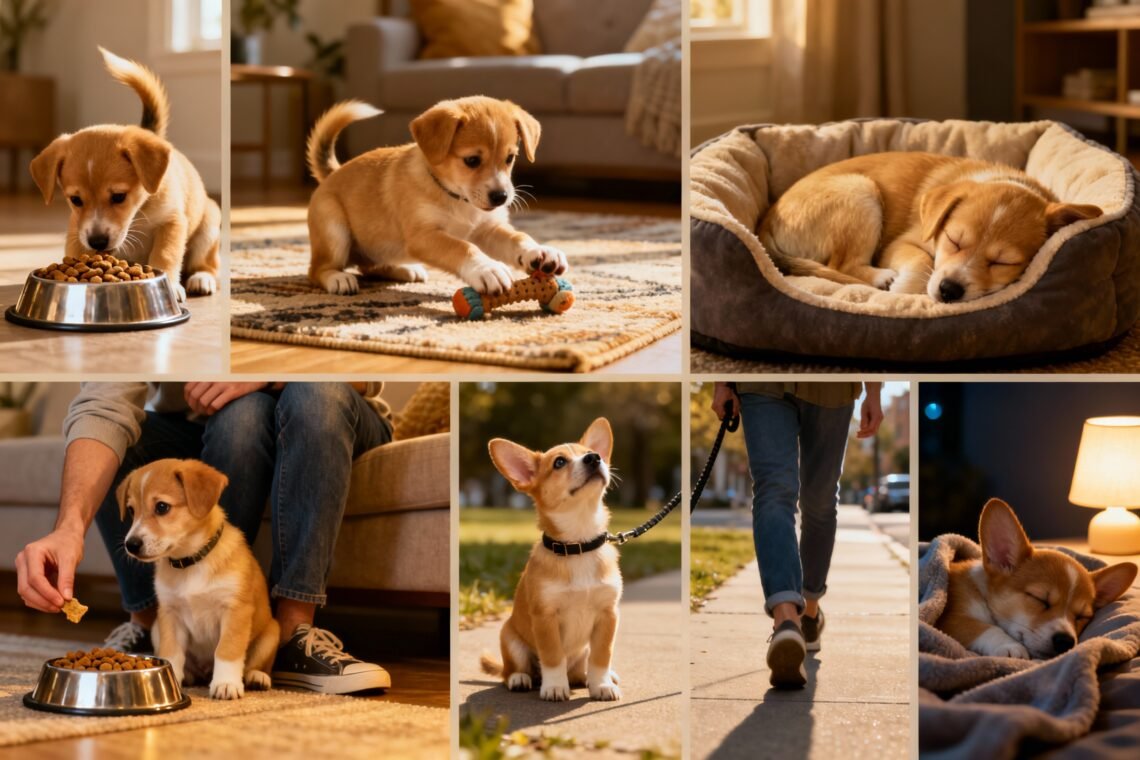
Puppies don’t read calendars. They chew them. But you still need a routine that keeps your sanity intact and your pup on track. The secret? A schedule that’s consistent, flexible, and actually fits your real life—not some fantasy where you wake up at 5 a.m. smiling. Let’s build one that works, without turning your day into a military operation. “How to Create A Puppy Schedule that Works. Start With the Big Rocks: Potty, Food, Sleep, Play Your puppy’s day revolves around four pillars. Nail these and everything else gets easier. Sample Daily Rhythm (Adjust to Your Life) FYI: This isn’t…
-
Your new puppy has crash-landed into your life like an adorable ball of chaos. You’re excited, a little overwhelmed, and probably Googling answers at 3 a.m. between chew-toy disasters. The good news? You’ve got this—and these top new puppy tips will help every step of the way. Let’s turn that lovable tornado into a happy, well-mannered sidekick without losing your shoes, sanity, or snacks. Start with a Simple Game Plan You don’t need a 50-page manual. You need a plan you’ll actually follow. Set three priorities for the first month and stick to them. Why three? Because puppies have the…
-
Making your own dog treats at home is one of the easiest ways to ensure your furry friend gets healthy, wholesome snacks—without unnecessary fillers. If your dog has grain sensitivities or you simply want a cleaner option, these homemade dog treats without flour are perfect. Each recipe uses simple, dog-safe ingredients and takes just minutes to prepare. Why Choose Flour-Free Dog Treats? Many commercial dog treats contain refined flour, preservatives, and additives that may upset sensitive stomachs. Flour-free treats are: Best of all, they’re affordable and easy to make at home. 1. Peanut Butter Banana Bites (No-Bake) Ingredients Instructions Why…